DIY & General Home Decor Ideas
Most homes do not need a full makeover to feel fresh. They need a few honest changes, made with care, in the right places. A wall that tells your story, a chair that finally gets a second chance, a plant in a sunny corner, and a table that folds away when dinner is done can change how a room feels every single day. That is the heart of DIY and general home decor. It is not about buying everything new. It is about looking at what you already have, adding a few thoughtful touches, and making your home work better for the way you actually live.
This guide brings together the best ideas from five older GlobWriters posts, with the repeats removed and the strongest advice kept in one place. You will find easy weekend projects, budget friendly refreshes, clever storage, and small space ideas that still look good. Start with one section that speaks to you. Finish that project, live with it for a few days, and then pick the next one. A home that grows slowly, room by room, usually feels more personal than a home that is changed all at once.
Make Your Walls Tell Your Story
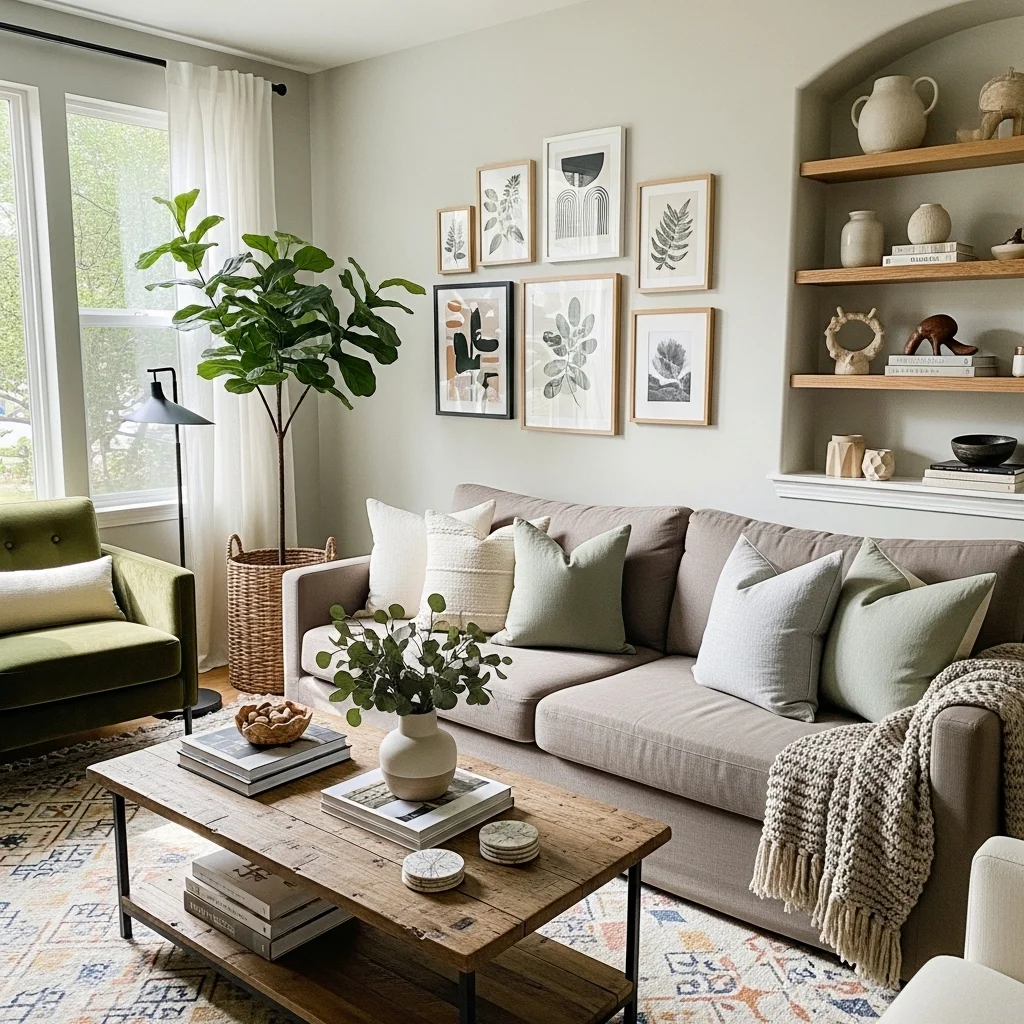
A blank wall is a missed chance. A gallery wall is one of the easiest ways to give a room personality without spending much, and it works in a hallway, a living room, a bedroom, or above a desk. Mix family photos, art prints, postcards, and a piece made by a child. Use frames in different sizes, but keep one thing in common, such as the same wood tone, the same mat colour, or a similar style, so the wall looks collected rather than messy. If you rent, or you like to change things often, washi tape, adhesive hooks, and picture ledges let you move things around without leaving a row of holes.
Personal art belongs in the same conversation. You do not need to be a trained artist to paint a simple canvas in colours you love, frame a piece of fabric, or turn a favourite photo into a large print. Old utensils, fabric scraps, buttons, and offcuts can become wall art too, if you arrange them with a little patience and a clear shape in mind. A textile wall hanging adds softness that a framed picture cannot. Try macrame, a woven piece, or a length of patterned fabric hung from a wooden dowel. It brings texture to a plain wall, softens sound a little, and suits bedrooms and reading corners especially well.
A vision board, or a cork board wall, takes the same idea one step further and makes it useful. Pin photos, notes, tickets, fabric samples, and ideas for the home you want. Cover the board in fabric or paint the frame to match the room, and it stops looking like an office leftover and starts looking like part of the decor. Keep the board honest and current. When a photo or a note no longer means anything to you, take it down and make space for something that does.

Give Old Furniture a Second Life
Before you buy a new piece of furniture, look again at the one you already own. A solid wooden chair, a tired dresser, or a plain side table often needs only a little work to feel new. Sand the surface lightly, fill any small dents, and add a fresh coat of paint. Chalk paint gives a soft, matte finish that suits a relaxed room. A glossy spray paint gives a cleaner, more modern look. Change the knobs or handles as well, because new hardware can change the whole character of a dresser or a cabinet for very little money. Look for mismatched vintage knobs, simple brass pulls, or ceramic handles, and do not be afraid to mix them if the piece is playful.
Upcycling is not only a way to save money. It is also a way to keep good furniture out of landfill and to own something no one else has. A wooden crate can become a shelf, an old ladder can hold blankets or plants, and a tired stool can become a plant stand or a bedside table. Check thrift stores, flea markets, and garage sales before you shop new. The best finds are often the plain, sturdy pieces that other people have passed over. If a piece is wobbly, tighten the joints and add a little wood glue. If the colour is wrong, paint is cheaper than a replacement, and you can always change it again later.
When you do buy, buy for the long term. Choose timeless shapes and strong materials, and ask yourself whether you will still like the piece in five years. A well made table or chair that you repair, repaint, and keep will cost less over time than three cheap pieces that fall apart. That simple choice is one of the most sustainable things you can do at home, and it usually looks better too.
Refresh a Room with Soft Furnishings
Soft furnishings are the fastest way to change a room, and they are forgiving for beginners. Start with cushions. Sew simple covers from fabric you love, or buy plain covers and add trim, buttons, or a stencil. A bold print can wake up a plain sofa, while a calm linen in a warm neutral can make a busy room feel settled. Keep two or three cushions that work together, rather than six that compete. If you want a seasonal change, swap the covers, not the cushions themselves, and store the spare set in a basket or a drawer.
Window treatments deserve the same attention. Heavy, dark curtains can make a small room feel smaller, while sheer curtains let light through and still give you privacy. If you want more control, try simple DIY roman shades, or hang a light linen curtain a little higher and wider than the window so the room looks taller. A foldable rug is a useful trick in a room that changes use often. Roll it up when you need floor space for exercise, play, or a party, and lay it back down to warm up the room again. Choose a rug that is easy to clean, especially near a door or a dining table.
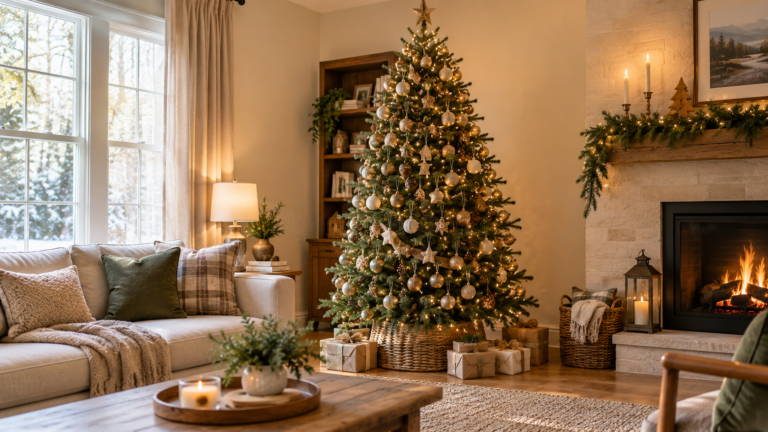
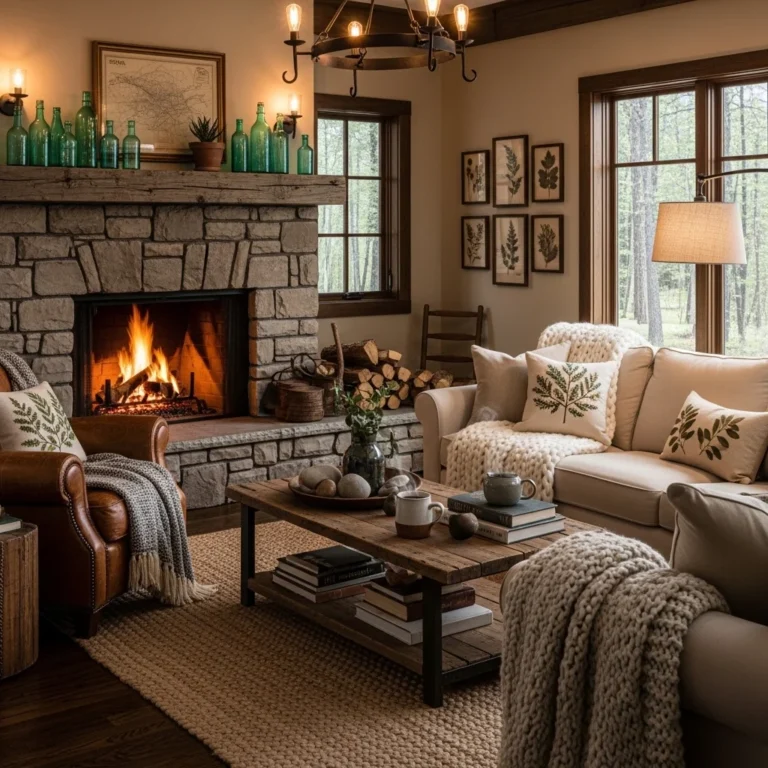
Think about touch as well as colour. A soft throw over the arm of a sofa, a woven basket for blankets, and a natural fibre rug underfoot make a room feel welcoming before you even sit down. For a calm, uncluttered finish, keep the palette limited and let one or two textures do the work. If you like a bolder look, you can still keep it calm by repeating the same accent colour in a cushion, a throw, and a piece of art. That repetition is what makes a room feel planned, even when the pieces came from different places.
Bring Plants Indoors, Even in a Small Home
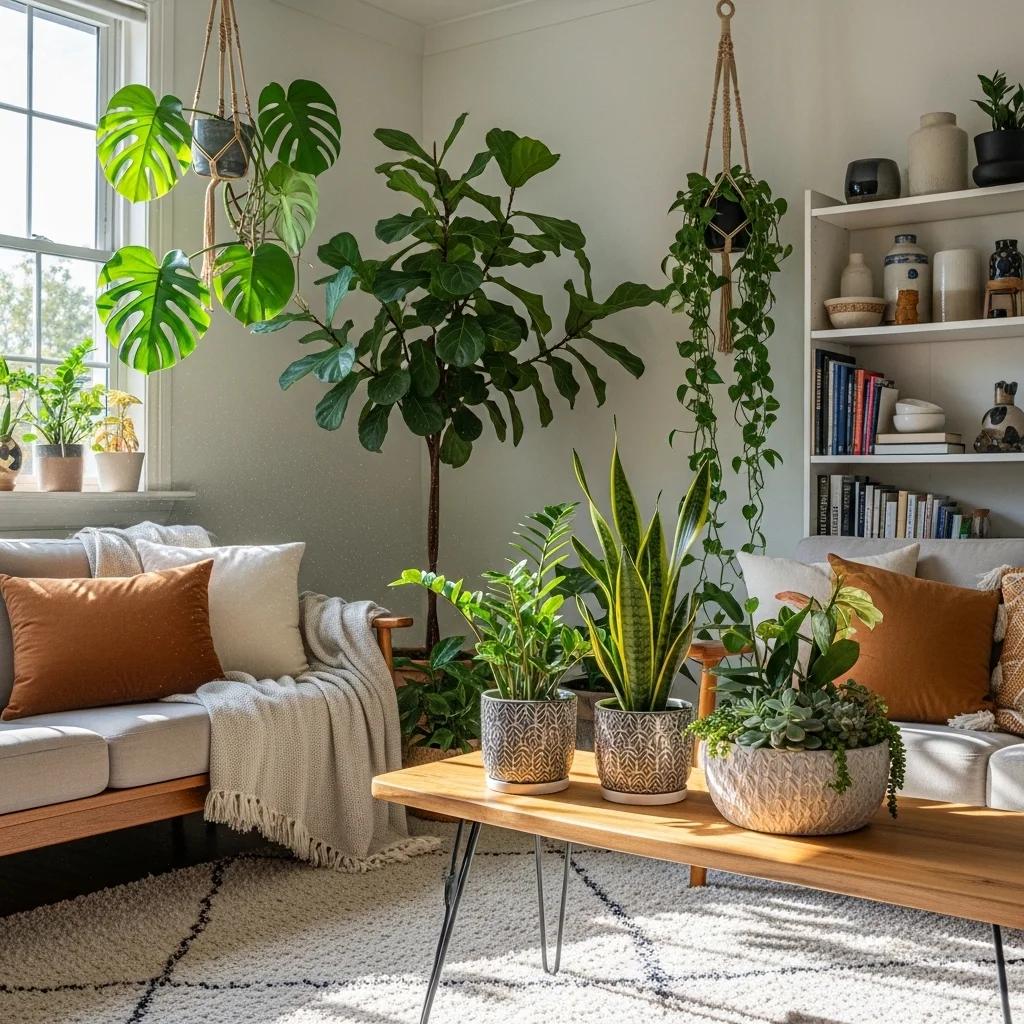
Plants do three jobs at once. They add colour, they soften hard edges, and they make a room feel alive. A plant corner is a good place to start. Group plants at different heights, using a stool, a shelf, and the floor, so the corner has depth. Snake plants, pothos, and peace lilies are forgiving choices if you are new to indoor plants, and they cope well with ordinary indoor light. Water them less often than you think, check the soil with a finger first, and give them a turn every week or two so they grow evenly.
A herb garden is a plant idea that earns its place in the kitchen. Basil, mint, parsley, and chives grow well in small pots on a sunny windowsill, and tin cans, jars, or small wooden boxes make charming planters if you add drainage holes. Label each pot, snip what you need for cooking, and enjoy the smell when you brush past them. If floor space is tight, go up instead. A vertical garden, with hanging planters, wall pockets, or a simple ladder shelf, lets you keep plants without giving up a table or a chair. It also works well in a bathroom with good light, or beside a desk where a little green helps you focus.
Keep plant care simple and visible. Put a small watering can nearby, keep a cloth for dusty leaves, and move a struggling plant to a brighter or shadier spot before you give up on it. A plant that looks a little wild is usually better than a perfect fake one, because real leaves catch the light and change through the seasons. If you travel often, choose hardy plants and a self watering pot, or ask a neighbour to water them while you are away.
Choose Furniture That Does Two Jobs
Small homes reward furniture that works hard. A sofa bed gives you a guest room without a spare bedroom. A lift top coffee table can become a dining table or a laptop desk. A storage ottoman holds blankets, books, or toys, and still gives you somewhere to put your feet up. Nesting tables pull apart when friends visit and stack neatly when they leave. A fold down table on a wall can serve as a desk in the morning, a dining table at lunch, and disappear in the evening. These pieces are not a compromise. When they are chosen well, they look just as good as single purpose furniture, and they free up space for the things you actually use.
A Murphy bed is the boldest version of the same idea. It folds into the wall, or into a cabinet, and gives you a full bedroom at night and a living room, office, or playroom during the day. It costs more than a folding chair, so measure carefully, check the wall, and choose a model with good storage around it if you can. For a smaller change, try a desk that folds away, a bench with storage under the seat, or a bedside table that doubles as a small desk. The question to ask before you buy is simple. What will this piece do when you are not using it for its main job?
Collapsible furniture belongs here too. Folding chairs, a folding dining table, and stackable stools let a small home host a dinner party without feeling crowded for the rest of the week. Store them in a cupboard, behind a door, or under a bed, and bring them out only when you need them. Choose pieces that are light enough to move easily, but strong enough to feel safe when someone sits on them.
Storage That Looks Like Decor
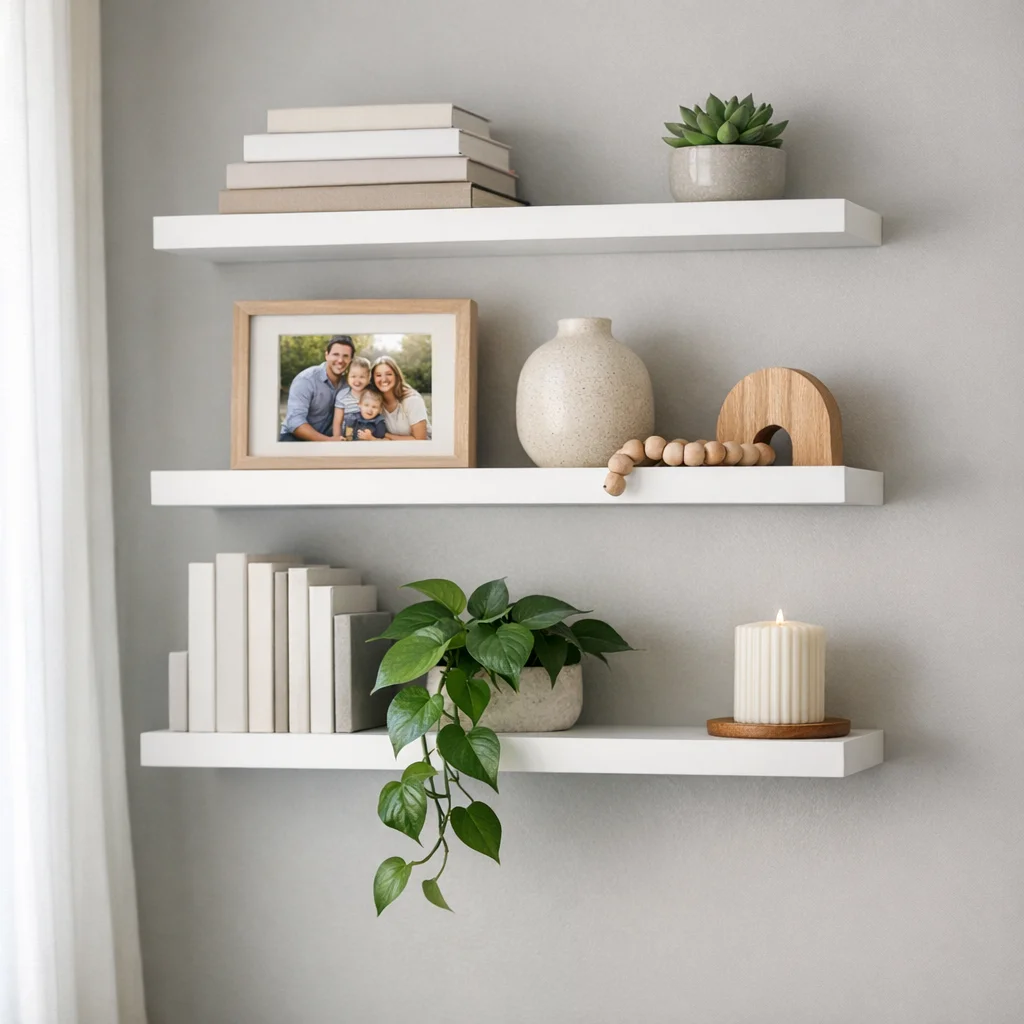
Good storage is not about hiding everything. It is about giving everything a place that looks good. Wall mounted shelves are the best place to start, because they use wall space instead of floor space. Put books, plants, and a few favourite objects on them, and leave some empty space so the shelf can breathe. Paint the back of a shelf, or line it with wallpaper, and a plain shelf becomes a feature. A pegboard works the same way in a kitchen, an entryway, or a home office. Hang hooks, small baskets, and clips for tools, keys, bags, and notes, and change the layout when your needs change.
Use the space under the bed for things you need but do not use every day, such as spare bedding, out of season clothes, and shoes. Flat boxes with labels, or drawers on wheels, keep it tidy and easy to reach. In the living room, decorative baskets and stylish boxes can hold toys, remotes, chargers, and magazines without looking cluttered. Choose baskets that match the room, and keep one basket for things that are still in use, so tidying up takes a minute, not an afternoon.
Look for storage that hides in plain sight. A mirror with a shelf behind it, a clock with a small compartment, or a piece of art that opens to reveal hooks can hold everyday items without adding another box to the room. A decorative room divider can do a similar job in a studio or an open plan room. It creates a bedroom corner, a work area, or a reading nook, and a divider with shelves gives you storage as well as privacy. The aim is not to fill every gap. It is to keep the surfaces you see every day clear, so the room feels calm.
Light, Mirrors and Colour
Light changes a room more than almost anything else, and it is often the cheapest change to make. Start with natural light. Keep windows clear, use sheer curtains where you can, and place a mirror opposite a window to bounce light across the room. A large mirror can make a small room feel wider, and a group of smaller mirrors can become a feature on a dark wall. Clean the glass, check the frame, and hang the mirror at a height where it reflects something pleasant, not a blank ceiling.
For evening light, mix three kinds of light if you can. A main light for the whole room, a task light for reading or cooking, and a soft light for atmosphere. A statement lamp, a painted lampshade, or a pendant made from simple materials can become a focal point. Mason jar sconces with fairy lights or candles add warmth to a hallway or a bedroom, and they are a simple weekend project. Use warm LED bulbs where you relax, and brighter light where you work. If you prefer a calm, uncluttered finish, our Modern and Minimalist Home Decor Ideas guide shows how light, space, and a limited palette work together.
Colour works best when you test it in your own light. Low VOC paint is a good choice for bedrooms and rooms where children spend time, because it has less smell and fewer harsh chemicals, and it now comes in a wide range of colours. Paint a sample patch, live with it for a few days, and look at it in morning and evening light before you commit. One painted wall, a painted shelf, or a painted piece of furniture can give a room a new mood without repainting the whole house. If you are not ready to paint, start with cushions, art, and a throw in the colour you are considering.
Choose Natural, Local and Long Lasting Materials
Natural materials age well, and they usually feel better to live with. Bamboo, reclaimed wood, organic cotton, jute, sisal, and wool bring warmth and texture that plastic copies rarely match. A jute rug, a wooden tray, a linen cushion, or a cotton throw can soften a modern room without changing its style. When you buy rugs and textiles, look for natural or recycled fibres, and for makers who are open about how their products are made. A rug that lasts ten years is better value, and better for the planet, than a cheap rug you replace every year.
Buying locally is a simple way to find pieces with character. A handmade ceramic vase, a woven basket, or a wooden bowl from a local maker will look different from a mass produced copy, and it supports the people who made it. That local, handmade feel suits rustic, farmhouse style especially well, but it works in any home if you keep the shapes simple. Energy efficient lighting fits the same thinking. LED bulbs use less power, last longer, and come in warm tones that suit a living room as well as a kitchen.
A Simple Plan to Start This Weekend
Do not try to do everything at once. Pick one room, and pick one problem in that room. If the room feels dark, start with light and mirrors. If it feels cluttered, start with storage and one clear surface. If it feels impersonal, start with a gallery wall or a piece of art you made yourself. Set a small budget, use what you already have first, and give yourself a weekend, not a month, to finish the first step.
- Walk through the room and write down the three things that bother you most.
- Choose the cheapest fix first, such as moving furniture, clearing a surface, or swapping cushions.
- Finish one DIY project, such as a shelf, a painted chair, or a herb garden, before you start another.
- Live with the change for a week, then decide what the room still needs.
That slow, steady approach is also the best way to keep a project on budget. A fresh coat of paint, new hardware, a plant, and a mirror can transform a room for far less than new furniture. If a bigger change is on your mind, read our Top 10 Home Renovation ideas first, so you can tell the difference between a quick decor refresh and a job that needs proper planning, tools, and time.
Conclusion
A good home is not a showroom. It is a place where the furniture works, the light feels right, the walls show who lives there, and the things you love have a place to go. DIY decor gives you that feeling without a large budget, because you choose the colours, you fix the chair, you hang the art, and you learn what works as you go. Start small, keep the best ideas from this guide, and let your home change with you. One wall, one plant, and one useful piece of furniture at a time is enough, and it is how a house slowly becomes a home that truly feels like yours.
One last thing I learned the hard way: measure twice, and paint a test patch first. I once repainted a whole chair in a colour I loved in the shop, and hated in my living room by lunchtime. Now I live with a sample for a few days, I ask my family what they think, and I am happy to change my mind. Your home does not need to be perfect. It needs to feel like you, even if one shelf is a little crooked and one plant is still finding its spot.