
Modern & Minimalist Home Decor Ideas
Walk into a home that feels calm the moment you step inside, and you will probably notice what is missing before you notice what is there. There is no clutter on the counters, no pile of things waiting to be sorted, and no color shouting for attention from every corner. Instead, there is space to breathe, light coming in through the windows, and a few well chosen pieces that make the room feel finished. That is the heart of modern and minimalist home decor, and it is much easier to live with than most people expect.
I have spent a lot of time looking at rooms that try too hard, and I have lived in a few of them myself. The lesson I keep coming back to is simple. A home does not need more stuff to feel warm. It needs better choices, a little breathing room, and colors and textures that work together instead of competing. This guide pulls together the best ideas from seven older GlobWriters posts on modern, minimalist, light and airy, bright, colorful, pastel and aesthetic decor, and turns them into one clear plan you can actually follow. You will find practical ideas for every room, plus the small mistakes that can make a simple room feel cold or unfinished.
What Modern Minimalist Decor Really Means
Modern minimalist decor is often misunderstood. It is not about empty rooms, white walls with nothing on them, or a home that looks like a showroom nobody lives in. It is about keeping only what adds comfort, function or beauty, and letting the rest go. A modern look brings clean lines, simple shapes and honest materials. A minimalist approach brings restraint, so those clean lines have room to stand out.
Think of it this way. In a busy room, your eye has nowhere to rest. In a calm room, one good sofa, one piece of art you love, and a plant by the window are enough to make the space feel complete. The goal is not perfection. The goal is a home that is easy to tidy, easy to relax in, and easy to change when your taste changes. If a piece does not earn its place by being useful or by making you smile when you see it, it probably belongs somewhere else.
That mindset also makes decorating cheaper in the long run. You buy fewer things, but you choose them more carefully. A solid wood coffee table that lasts ten years beats three trendy tables that wobble after a season. Quality over quantity is not just a slogan here. It is the whole method, and it shows in the way a room feels.
Start With a Calm, Neutral Base
Every calm room I love starts with the same foundation: soft, neutral colors on the largest surfaces. Walls in warm white, soft gray, pale beige or a very light greige give you a quiet backdrop, and they make everything else look better. Floors in light wood or a pale, low pile rug keep the same feeling going. Once that base is in place, you can add color in small, deliberate doses without the room feeling busy.
Start by decluttering before you buy anything new. Go through one room at a time and take out the things you do not use, do not love, or have been meaning to fix for a year. Be honest with yourself. That broken lamp, the stack of magazines from last spring, and the vase you never liked are all taking up visual space. When the surfaces are clear, you will see the room properly for the first time, and you will often find that it needs far less than you thought.
Then look at the color palette as a whole. Pick two or three neutrals and one or two accent colors, and repeat them through the room in different places. A warm white wall, a light gray sofa, natural wood, and a soft sage green cushion, for example, will feel calm and pulled together. If you want a slightly warmer room, try cream, tan and a muted terracotta. If you want a cooler room, try white, pale gray and a soft dusty blue. The exact colors matter less than the discipline of sticking to a small palette.

Let Light Do the Heavy Lifting
Light is the cheapest decorating tool you own, and in a minimalist home it does most of the work. Start by making the most of the daylight you already have. Wash the windows, pull heavy curtains back during the day, and trim any outside plants that block the glass. Sheer linen curtains or light cotton panels let light in while still giving you privacy, and they soften a room in a way that blinds alone never do.
Mirrors are your next best friend, especially in small or dark rooms. A large mirror opposite a window bounces daylight across the room and makes the space feel almost twice as big. A round mirror above a console, or a tall mirror leaning against a bedroom wall, adds the same effect without taking up floor space. Keep the frame simple, in wood, black metal or a thin gold edge, so the mirror itself stays the focus.
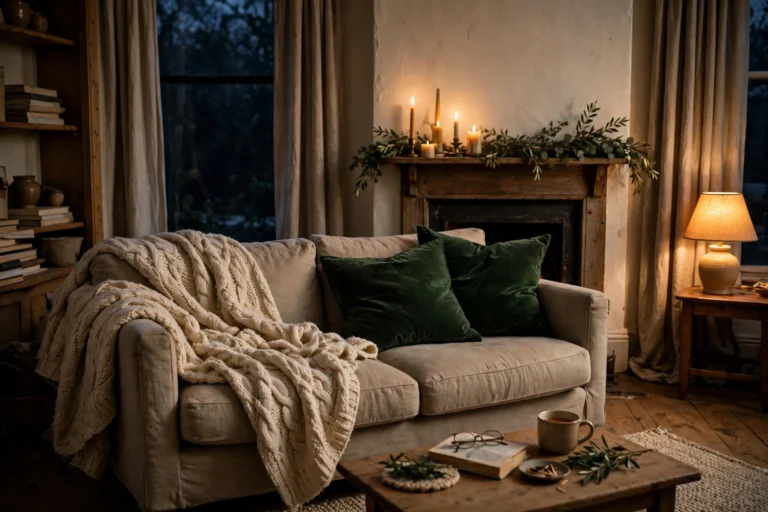
In the evening, layer your lighting instead of relying on one bright ceiling light. A floor lamp by the sofa, a small table lamp on a sideboard, and a warm pendant over the dining table create pools of light that feel cozy and calm. Choose warm white bulbs rather than harsh cool white, and keep the lamp shades simple. A vintage style lamp or a sculptural pendant can be a statement piece on its own, so you do not need a lot of other decoration around it.
Choose Furniture That Earns Its Place
Minimalist furniture is not about buying the smallest sofa you can find. It is about choosing pieces that do their job well and look good doing it. Look for clean lines, simple shapes, and legs you can see under, because furniture that sits lightly on the floor makes a room feel larger. A low profile sofa in a solid neutral fabric, a simple wooden dining table, and a bed frame without a bulky headboard are all good starting points.
Multi purpose furniture is especially useful in smaller homes. An ottoman with storage inside, a coffee table with a shelf underneath, a bench that works at the dining table and in the hallway, or a bed with drawers below all save space without looking like storage furniture. The trick is to choose pieces where the storage is hidden. Closed cabinets, baskets with lids, and drawers keep everyday clutter out of sight, so the room stays calm even on a busy day.
Mix materials to keep simple furniture from feeling flat. Wood, linen, leather, stone and metal each bring a different texture, and together they make a neutral room feel rich. A wooden table with a linen runner, a leather chair next to a wool throw, or a stone vase on a wooden shelf all add warmth without adding color. You can also mix one vintage piece into a modern room, like an antique wooden side table or a secondhand armchair with good bones. One older piece adds character and history, while three or four can start to feel like a different style altogether, so keep it to one or two.
Add Color Without Losing the Calm
Here is the part many minimalist guides get wrong. Minimal does not mean colorless. Color is what makes a calm room feel like yours, and the trick is to use it on purpose. The easiest method is to keep the big pieces neutral and add color through things you can change easily: cushions, throws, art, rugs and plants.
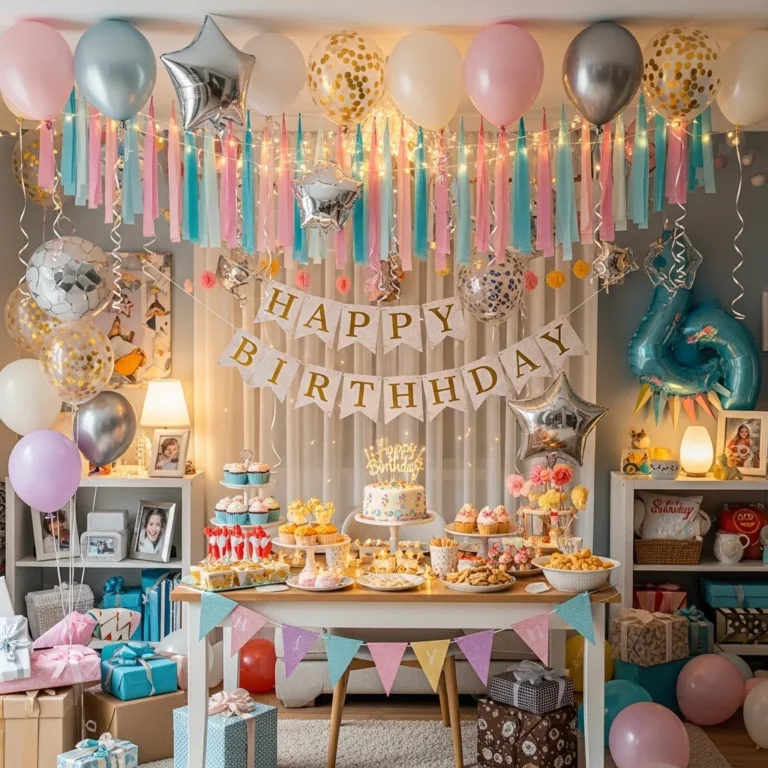
Pastel colors are a natural fit for this style. Soft blush pink, pale mint, powder blue, gentle lavender and buttery yellow add freshness without shouting. Try a pastel wall in a bedroom, pastel cushions on a neutral sofa, or a pastel throw folded over the arm of a chair. Pastel textiles in cotton, linen or a soft knit feel especially gentle, and pastel art in simple frames adds color to a wall without making it busy. If you like the idea but worry about it looking too sweet, pair pastels with natural wood and a little black or charcoal for contrast.
If you want something bolder, pick one strong color and use it as an accent. A deep green velvet cushion, a mustard yellow throw, a bright blue vase, or one painted piece of furniture can anchor a whole room. A colorful rug under a neutral sofa, a gallery of bright art above it, or colorful curtains in a plain room all work the same way. The rule that keeps it minimalist is repetition with restraint. Use that accent color in two or three places, not ten, and let the rest of the room stay quiet.
You can also bring color in through nature and the kitchen or bathroom. Plants in colorful pots, a bright backsplash in the kitchen, fresh flowers on the dining table, or colorful towels and a small plant in the bathroom all add life without clutter. Change these small touches with the seasons if you like. A few warm tones in autumn and lighter, brighter colors in summer keep the home feeling fresh, and swapping a cushion cover is a lot cheaper than repainting a room.

Texture, Plants and Natural Materials
When color is quiet, texture has to do more work, and this is where minimalist rooms either feel warm or feel cold. Layer different textures in the same color family and the room will feel soft and inviting. A linen cushion, a chunky knit throw, a smooth ceramic vase, a woven basket and a soft wool rug can all sit together in whites and beiges and still look interesting, because your hand and your eye notice the differences.
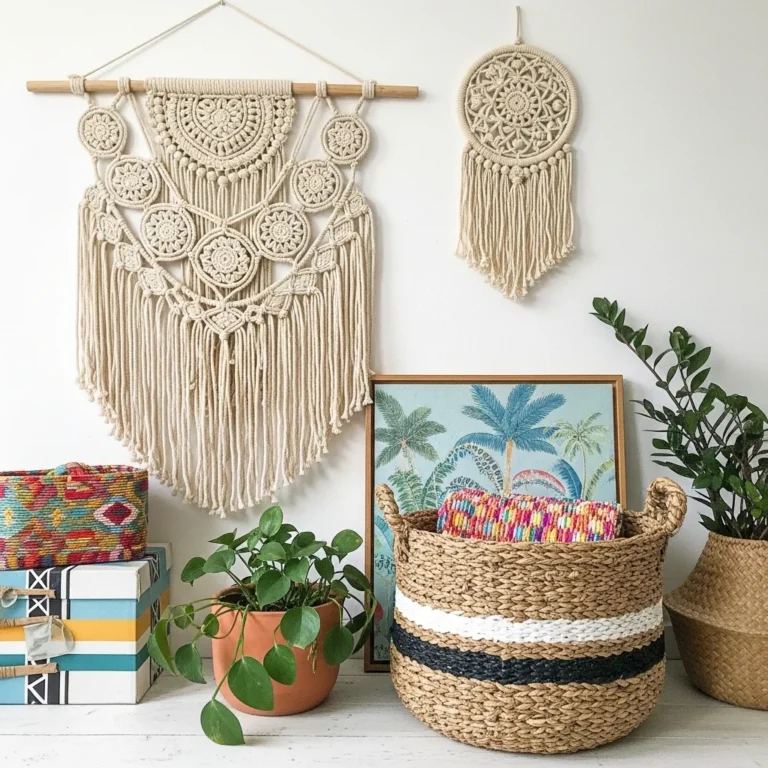
Natural materials are the easiest way to get that texture right. Light wood, rattan, jute, cotton, linen, stone and clay all age well and look better the more you live with them. A jute rug under a coffee table, a wooden tray on an ottoman, linen bedding, and a clay pot for a plant all fit the same story. Sustainable materials fit here too, not as a trend but as common sense. Solid wood, natural fibers and pieces you can repair will outlast fast, disposable decor, and they feel better to touch every day.
Plants are the one decoration almost every minimalist room needs. They add color, shape and life, and they soften straight lines and hard surfaces. A tall fiddle leaf fig in a corner, a trailing pothos on a shelf, a small succulent on a desk, or herbs on a kitchen windowsill all work. Keep the pots simple and in the same family, like plain terracotta, white ceramic or natural woven baskets, so the plants themselves are the decoration. If you are new to plants, start with one or two easy ones and learn what they need before you fill every shelf. For more ideas, see these indoor plant decor ideas for fresh greenery and natural color.

Walls, Art and Personal Touches
Empty walls can make a minimalist home feel unfinished, but crowded walls undo all the calm you just created. The answer is to choose one wall or one area to focus on, and leave the rest mostly clear. A gallery wall with three to five frames in matching frames, a single large piece of art above the sofa, or a small group of framed photos in the hallway is enough. Leave space between the frames so each piece can breathe, and keep the frames simple so the art itself stands out.
Art is also the best place to show your personality. Choose pieces that mean something to you, whether that is a print from a trip, a photo you took, a drawing by your child in a good frame, or a piece of handmade pottery on a shelf. Personal art displays make a simple room feel like home in a way that matching store bought sets never do. The same goes for books. A small stack of books you actually love, a few on a shelf with a plant, or one beautiful book on a coffee table adds warmth without clutter.
Lighting can be art too. A sculptural pendant, a simple paper lantern, or a vintage lamp with a beautiful shape becomes a focal point, especially in a room with plain furniture. Statement lighting works best when the rest of the room stays simple, so let the lamp be the star and keep the table under it clear. A few antique accents can work the same way. A vintage mirror, an old wooden bowl, or a rug with a faded pattern adds history and softness, as long as you use just one or two and let them stand out.
Make Small Rooms Feel Bigger
Minimalist ideas are especially helpful in small rooms, because every extra object makes a small space feel smaller. Start by creating clear zones, even in one open room. A rug defines the living area, a small table and two chairs define a dining corner, and a desk by the window defines a work spot. You do not need walls to separate these areas. A rug, a lamp, or a change in lighting is enough to tell your eye where one zone ends and the next begins.
Use furniture that fits the room, not furniture you hope to grow into. A sofa that leaves space to walk around it, a round dining table that seats four without blocking the door, and a bedside table that holds a lamp and a book and nothing else will all make the room feel larger. Open shelving can help in a kitchen or a small living room, but only if you keep it tidy. A few matching dishes, a plant, and a stack of books look calm on open shelves. A crowded shelf with mismatched mugs and boxes does the opposite, so be strict about what earns a place there.
Hidden storage is the quiet hero of small space living. Use the space under the bed, inside ottomans, behind closed cabinet doors, and in baskets that look like decor. Keep daily items in one place, like a tray by the door for keys, a basket for throws, and a drawer for chargers and cables. When everything has a home, tidying takes five minutes instead of an hour, and the room stays calm even when life gets busy.
A Simple Room by Room Plan
In the living room, start with the sofa and the rug, because they set the size and the mood of the room. Add a coffee table with a clear top, one floor lamp, and a plant in the corner. Then add two cushions and a throw in your accent color. That is enough for most living rooms. If the wall above the sofa feels bare, add one piece of art or a small gallery of three frames.
In the bedroom, keep the bed as the focus and everything else simple. Neutral bedding in linen or cotton, one or two good pillows, and a light throw at the foot of the bed create a calm place to sleep. A small bedside table with a lamp and a book is all you need, and a mirror or a single framed print on the wall adds interest without noise. If you love a soft, Scandinavian feel, these Scandinavian bedroom decor ideas pair beautifully with a minimalist base.
In the kitchen and dining area, clear counters make the biggest difference. Keep out only what you use every day, like a kettle, a wooden board, and a small plant or a bowl of fruit. Use open shelving for a few favorite dishes, and keep the rest behind closed doors. At the dining table, a simple centerpiece works best: a linen runner, a vase with fresh greenery, and candles for the evening. A colorful backsplash or painted chairs can add personality here without cluttering the room.
In the bathroom, the same rules apply on a smaller scale. Soft towels in one color, a small plant that likes humidity, a simple mirror, and a basket for toiletries will make the room feel like a spa. Keep the counter clear except for the few things you use each morning, and store the rest in a cabinet. In the entryway, a small console or a wall hook, a mirror, and a basket for shoes set a calm tone the moment you walk in.
Mistakes That Make Minimal Rooms Feel Cold
The most common mistake is removing too much. A room with no texture, no plants, no art and no personal objects does not feel minimalist, it feels unfinished. If your room feels cold, add warmth before you add stuff. A soft rug underfoot, a throw you want to touch, warm lighting, and a living plant will usually fix it.
Another mistake is buying everything in the same shade of white or gray. Without contrast, a room looks flat and a little dull. Add a darker tone, like charcoal cushions, black frames, or a dark wood table, to give the room depth. A little contrast makes the light colors look brighter and the room look more finished.
A third mistake is treating minimalism as a rule instead of a guide. If you love color, use color. If you love a full bookshelf, keep it, just keep it tidy and let it be the one busy spot in the room. A home should reflect the people who live in it. The goal is not to copy a photo from the internet. The goal is a home that feels calm, works well, and makes you happy to come home to it.
Frequently Asked Questions
How do I start minimalist decor on a budget? Start by decluttering and rearranging what you already own. Move furniture to let in more light, take down extra wall decor, and use one accent color through cushions or throws you already have. Buy only one or two new pieces that solve a real problem, like storage or lighting, and choose them carefully.
Can a minimalist home still feel cozy? Yes, and it should. Cozy comes from texture, warmth and light, not from clutter. Soft rugs, layered throws, warm bulbs, wood tones and plants make a simple room feel inviting. If a room feels cold, it usually needs more texture and warmer light, not more objects.
How much color is too much in a minimalist room? A good guide is to keep large surfaces neutral and limit strong color to a few small, repeatable accents. One accent color in two or three places feels intentional. Five different bright colors in every corner feels busy, even if each piece is beautiful on its own.
Start Small and Enjoy the Calm
You do not need to redo your whole home this weekend. Pick one room, or even one corner, and start there. Clear the surfaces, let in the light, choose a small palette, and add one plant and one piece of art you love. Live with it for a week and notice how the room feels. Then move on to the next room with what you learned.
Modern and minimalist decor works because it respects your time, your space and your attention. A calm base, good light, furniture that earns its place, a little color used on purpose, natural texture and a few personal touches are all it takes. Keep what you love, let go of the rest, and let your home be a quiet, bright place to rest, work and spend time with the people you care about.