
Home Exterior & Outdoor Decor Ideas
Your home starts talking before anyone steps inside. The paint, the front door, the path to the porch, the light spilling out at dusk, all of it tells visitors what kind of place this is. I have walked up to houses that felt warm and cared for from the curb, and I have walked up to others that felt tired, even when the inside was lovely. The difference was rarely money. It was attention, a few clear choices, and a bit of upkeep. This guide brings together the best ideas from our earlier home exterior posts, plus the outdoor living ideas that actually get used, into one practical plan you can follow a weekend at a time.
Think of your exterior in layers. First comes the big picture, the color and the shape of the house. Then comes the middle layer, the door, the porch, the plants, and the paths. Finally comes the living layer, the chairs, the lights, and the small seasonal touches that make a place feel like yours. When those layers work together, the whole house feels finished. When they fight each other, even a new paint job can look off. So start with a walk around your own house, phone in hand, and take photos from the street, from the driveway, and from the back garden. You will spot things in a photo that you miss in person, a leaning fence post, a bare patch of lawn, a light that has gone out.
1. Start With Curb Appeal: Paint, Siding and the Front Door
Paint is the fastest way to change how a house feels, and it is also the easiest place to go wrong. A color that looks perfect on a tiny swatch can look washed out on a whole wall in bright sun, or far darker on a shaded side. Test a large patch on the sunniest wall and on the shadiest wall, then live with both for a few days. Warm whites, soft sage, warm gray, and deep navy all work well on many houses, but the right choice depends on your roof, your brick or stone, and the light in your street. If your roof is warm brown, a cool gray can clash. If your brick is red, a green with too much yellow can look muddy. Stand back, look at the roof and the trim together, and choose a color that sits happily with both.
Siding deserves the same care. Wood cladding brings warmth and texture, and it suits both modern and cottage style homes, but it needs sealing and regular checks for damp. Fiber cement looks clean and holds paint well, and it is a good choice if you want a crisp, low fuss finish. Rendered walls suit a smooth, modern look, and a fresh render in a warm off white can make an older house feel new. Whatever you choose, keep the palette simple. One main color, one trim color, and one accent color is enough. The accent belongs to the front door, and that is where you can be brave.
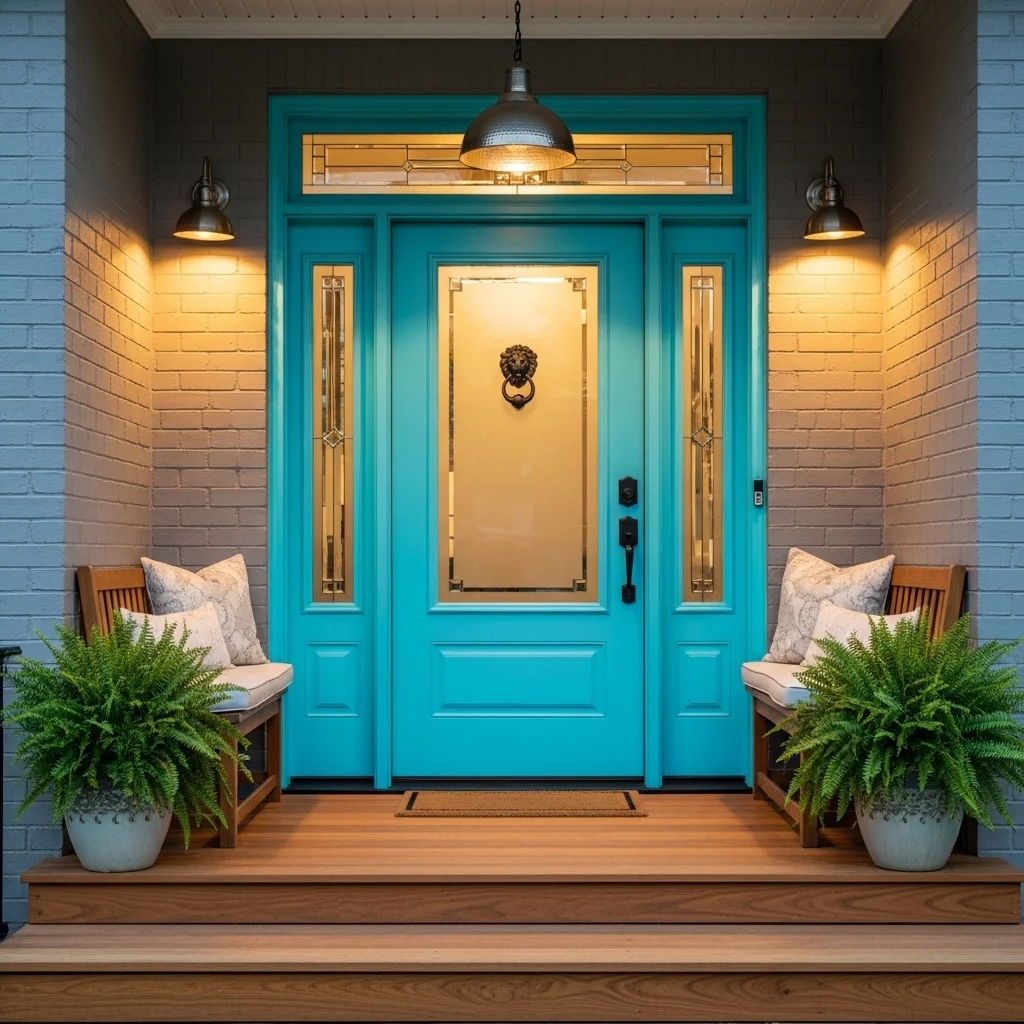
The front door is the handshake of the house. A bold teal, a deep red, a sunny yellow, or a classic black can all work, as long as the color has some connection to the rest of the house, maybe a cushion on the porch, a planter, or the house numbers. Clean the door, oil the hinges, polish the handle, and add a knocker or a simple wreath that suits the season. A new doormat, a pair of lanterns, and a pot of flowers on either side will do more for first impressions than most people expect. If your door is old and draughty, a new one with good seals will also cut your heating bill, which is a practical win on top of the pretty one. For a calmer, simpler look that still feels stylish, take a look at our Modern and Minimalist Home Decor Ideas and borrow its habit of leaving space around each feature.
2. Landscaping That Frames the House
Good landscaping does not mean a perfect lawn or a garden that needs hours every week. It means plants that frame the house, hide the awkward bits, and lead the eye to the front door. Start with the bones, a small tree or two, a hedge or a row of shrubs along the foundation, and a clear path. Then add the soft stuff, grasses that move in the wind, lavender or rosemary by the door for scent, and pots you can move around when you fancy a change. Choose plants that suit your soil and your climate, not just the ones that look good in a photo. A plant that struggles will always look sad, while a tough local plant will look happy with very little help from you.
Keep beds tidy but not stiff. A curved edge looks friendlier than a dead straight one, and mulch in a dark brown or natural bark will make green leaves pop and keep weeds down. If your lawn has bare patches, rake them, add seed in the right season, and water gently until it takes. If you hate mowing, a gravel area with stepping stones and a few large pots can look smart and needs almost no care. Add a simple water feature if you like the sound of water, even a small bowl with a solar pump will do. And think about the view from inside too. A tree outside the kitchen window, a shrub that birds visit, and a pot of herbs by the back door all make daily life a little nicer.
3. Lighting That Makes Evenings Feel Longer
Exterior lighting is the part most people leave until last, and it is the part that changes a house most at night. A dark house can feel unwelcoming, even a little unsafe, while a house with warm, well placed light feels open and calm. Use layers here too. Path lights guide people safely to the door. A wall light or a pair of lanterns by the door makes the entrance clear and friendly. Uplights on a tree or on the front wall add depth and drama without being harsh. Keep the light warm, around the color of candlelight or early evening sun, and avoid bright white floodlights unless you need them for security.
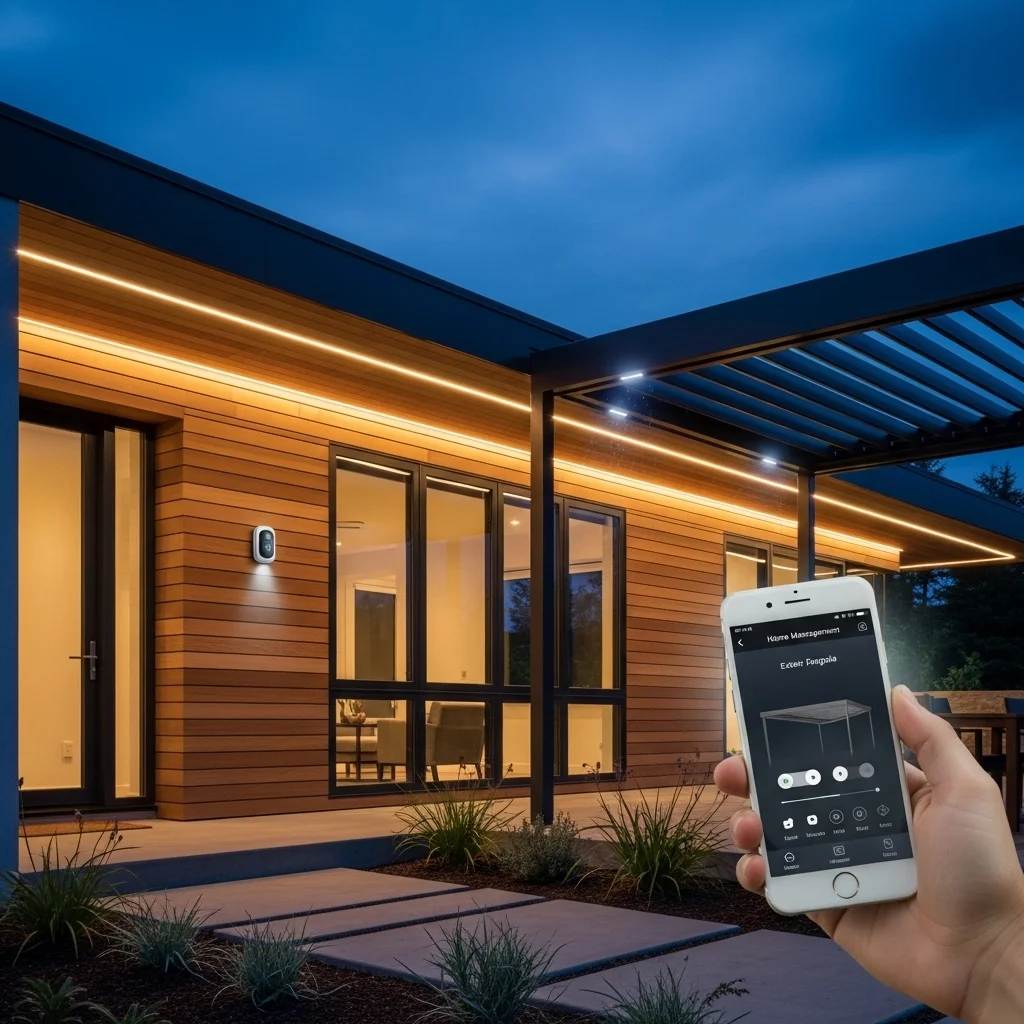
Solar lights have come a long way, and they are a good start for paths and borders, but they fade on cloudy days. For the places that matter, the front door, the steps, and the seating area, wired lights on a timer or a dusk sensor are worth the effort. LED strip lighting under a porch roof or along a step edge looks modern and uses very little power. String lights across a patio or a pergola turn an ordinary evening into a small occasion, and they are cheap enough to try in one weekend. Check your lights every few months, clean the glass, and replace any bulb that has gone. One dead light in a row is the kind of small thing visitors notice without knowing why the house feels a bit off.
4. Porches, Patios and Outdoor Living
A porch or a patio is where the house meets the garden, and it deserves to be treated like a room, not a leftover space. Start with the floor. Clean it, repair any cracks, and add a rug made for outdoor use. A rug instantly makes a hard floor feel like a living room. Then add seating that fits how you actually live. Two comfortable chairs and a small table are enough for morning coffee. A larger sofa and a low table suit long evenings with friends. Choose cushions in a fabric that dries fast and can be wiped clean, and keep a storage box nearby so you can tuck them away in bad weather.
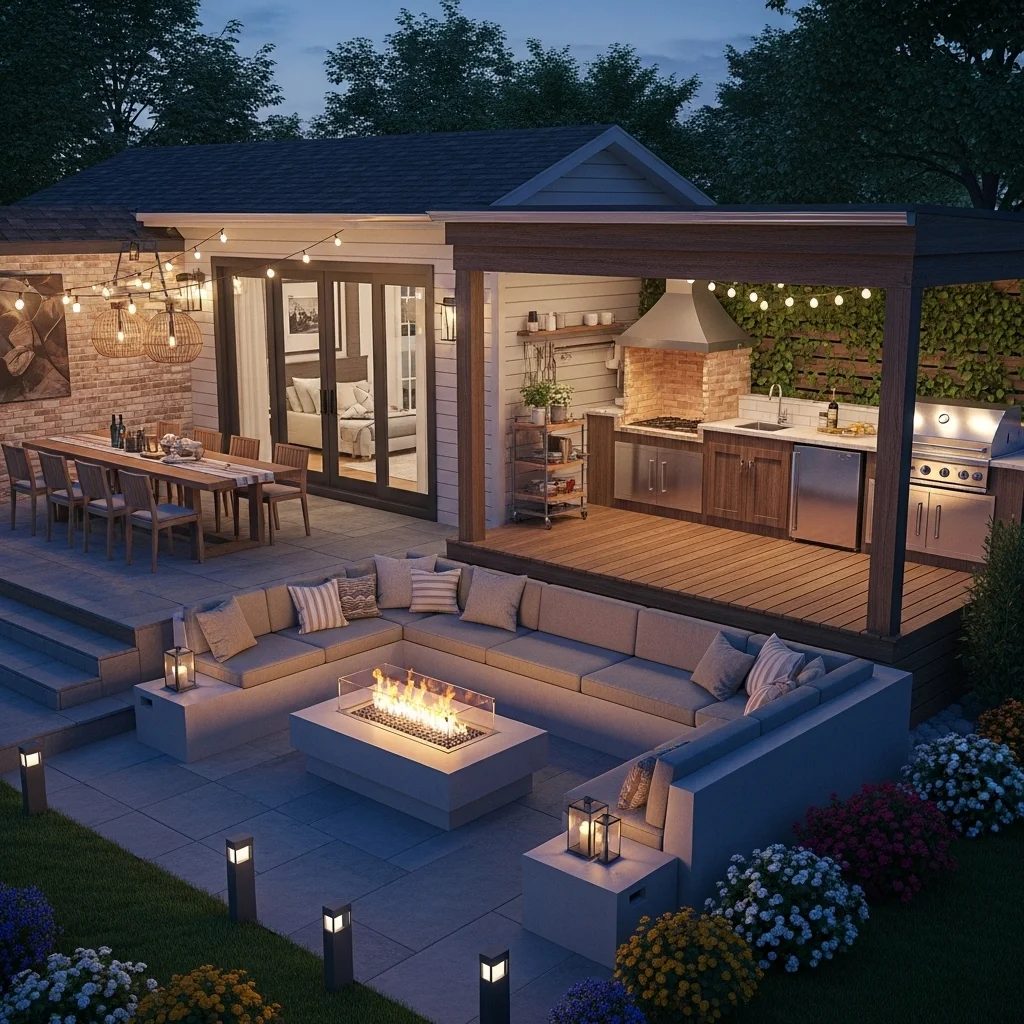
A pergola or a simple shade sail gives you a ceiling, and that changes everything. It marks the space, it gives you somewhere to hang lights, and it makes the area usable in hot sun and light rain. Climbing plants like jasmine or clematis will soften the posts and add scent in summer. If you have room, an outdoor kitchen or even just a small grill station near the seating area means the cook is part of the evening instead of stuck alone by the barbecue. A fire pit or a chiminea extends the season into autumn, and a few blankets in a basket mean nobody has to go inside when the air turns cool. Keep the furniture simple and the colors calm, with one or two brighter cushions you can swap with the seasons.
5. Roof, Gutters, Driveway and the Details People Notice
Some parts of a house are not exciting, but they are the parts that tell a buyer, a guest, or even your own eye that the house is cared for. The roof is top of that list. Missing tiles, moss, and sagging gutters are easy to spot from the street, and they hint at bigger problems inside. Clean the gutters twice a year, check for leaks after heavy rain, and fix small tile problems before they become big ones. If your roof is near the end of its life, a new roof in a color that suits the house is a big job, but it changes the whole look and protects everything underneath it.
The driveway and the paths come next. Power wash them in spring, fill cracks, and edge the lawn where it meets the path. A clean edge makes the whole garden look tidy. If your driveway is plain concrete, a border of brick or a few planters can soften it without a full rebuild. House numbers matter more than people think. Clear, readable numbers in a style that matches the house, plus a tidy mailbox and a working doorbell, finish the entrance. Finally, check the small things: a loose fence board, a gate that sticks, a bin that lives in the wrong place. Fix one of these each weekend, and in a month the house will feel different.
6. Outdoor Entertaining, Seating and Shade
Outdoor entertaining works best when the setup is simple and the guests can help themselves. That was the best lesson from our backyard party ideas, and it applies to any summer evening, not just a big barbecue. Set up zones, even in a small garden. One zone for sitting and talking, one zone for food and drinks, and one zone for play or for quiet. When each zone has a clear job, people relax and move around naturally instead of crowding in one spot.
Seating is the heart of it. Mix a table with chairs for eating, a lower lounge area for talking, and a spare bench or a few floor cushions for extra guests. A drinks station on a small table or a trolley keeps people out of the kitchen, and a jug of water with lemon and mint is always welcome. Shade is not a luxury, it is what makes the space usable at midday. A large umbrella, a shade sail, or a pergola with a fabric cover will keep the sun off the table, and it also protects food and drinks. Add a few games for children, like giant Jenga or a simple ball game on the lawn, and keep a speaker nearby for music at a low volume. The food can stay simple, because the setting is doing the work. A few good salads, some grilled vegetables, and something sweet to finish are plenty when the chairs are comfortable and the light is kind.
Plan for the evening too. As the sun goes down, bring out the string lights, light a candle or two in safe holders, and move a blanket to each chair. If you have a fire pit, that is where everyone will end up, so put a few chairs around it early and leave space for people to stand and chat. Clean up as you go, with a small bin and a tray for empty glasses, so the end of the night feels easy instead of like a chore. The goal is not a perfect party, it is a space where people want to stay a little longer.
7. Sustainable Materials and Easy Seasonal Touches
Sustainable choices for the outside of a house are often the practical ones too. Reclaimed wood for a fence or a planter has character that new timber cannot match, and it keeps good material in use. Natural stone for a path will last for decades, and it looks better as it ages. Permeable paving lets rain soak into the ground instead of running off into the street, which helps the garden and the drains. Choose paint with low VOCs, choose local stone and timber where you can, and choose plants that need less water once they are settled. A rain barrel by a downpipe gives you free water for pots, and a compost bin turns garden waste into food for the soil.
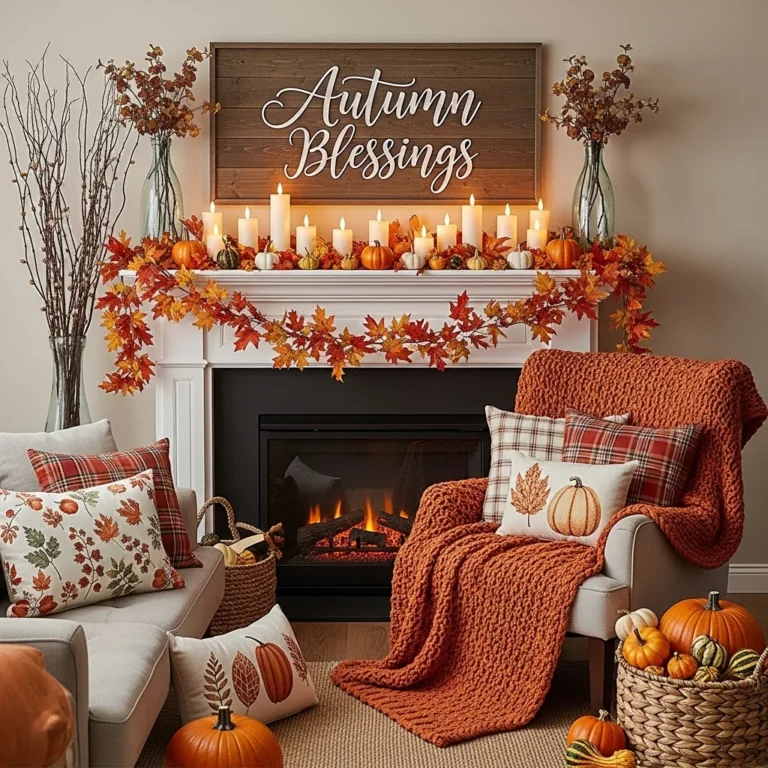
Seasonal touches are the fun part, and they should be easy to change. In spring, add bright pots by the door and clean the windows so the house shines. In summer, swap in light cushions, add a shade sail, and keep the herbs watered. In autumn, add pumpkins, a warm wreath, and a doormat that can cope with mud. In winter, add a lantern with a candle, a simple evergreen wreath, and a string of warm lights that makes the dark evenings feel cozy. None of this needs to be expensive. One or two changes each season are enough, and they keep the house feeling alive all year. If you love a warm, lived in look, our Rustic, Farmhouse and Western Home Decor Ideas will give you plenty of ideas that work just as well outside as they do inside.
8. A Simple Plan to Put It All Together
It is easy to feel overwhelmed by a long list of ideas, so here is a simple order that works. Weekend one, walk around, take photos, and make a list of what bothers you most. Fix the safety and repair items first, the loose step, the broken light, the leaking gutter. Weekend two, clean everything, wash the paths, clean the windows, tidy the beds, and edge the lawn. Weekend three, paint the front door, add new house numbers, and put two planters by the entrance. Weekend four, set up the seating area, add a rug, cushions, and string lights. After that, pick one bigger project a season, like repainting a wall, planting a tree, or building a pergola, and do it well instead of rushing five things at once.
Keep a small notebook or a phone album for ideas, and note what works. Which plants survived the summer, which light gets used most, which chair everyone chooses first. Those notes will save you money next year, because you will stop buying things that look good in a shop and start buying things that work in your garden. And remember, the outside of your house should match the inside in spirit. If your living room is calm and simple, keep the garden calm too. If your home is full of color and pattern, let the front door and the pots join in. For more ideas on carrying that style through the house, see our Living Room Decor Ideas and pick the threads that suit you.
Final Thoughts
A good home exterior is not about impressing the street, it is about making the walk home feel good every day. Fresh paint, a door you are proud of, plants that frame the house, light that welcomes you back at night, and a place to sit outside with people you like, that is the whole recipe. Start small, fix what is broken, clean what is dirty, and add one thing you love. Then do the next small thing. In a few months, you will look at the house from the street and see a place that feels like home before you even open the door. That is what curb appeal really means, and it is worth every weekend you spend on it.