

Living Room Decor Ideas
Honestly, my living room used to be the messiest room in the house. Shoes by the door, a sofa that faced the TV like it was on guard duty, and one sad little lamp in the corner. It worked, sort of. But nobody actually wanted to sit in there for long. Then I moved the sofa, just a few feet, and suddenly the whole room felt different. That is the thing about living rooms. Small moves matter more than big spending.
So this guide is not a shopping list. It pulls together the best bits from six older posts we had on this site, about living rooms, wall art, vinyl art, furniture, dream homes, and making a home feel sweet and personal. A lot of those posts repeated each other, so I cut the repeats and kept what actually works. Read it in order, or skip to the bit you need. Either way works.
First, Figure Out How You Actually Live
Before you buy a single cushion, watch yourself for a week. Where do you sit? Where does the light fall at 5pm? Where do the kids dump their bags? My own living room looked great in photos and terrible in real life, because I had copied a showroom layout that had nothing to do with how we lived. The reading chair was miles from the lamp. The coffee table was too far from the sofa to put a cup down without leaning. Little things, but they added up.
Grab a notebook, or the notes app on your phone, and write three words for how you want the room to feel. Mine were warm, calm, and lived in. Yours might be bright, tidy, and fun, or dark, cosy, and quiet. It does not matter what they are. What matters is that you use them like a filter. A chair that does not match those three words? Leave it in the shop. A rug that does? That is the one.
Money, then. Be honest about it. Split what you have into must haves and nice to haves. Must haves are the sofa, decent light, and somewhere to hide the clutter. Nice to haves are the pretty lamp, the new rug, that print you keep going back to. Spend real money on the stuff you touch every day, and go cheap on the stuff you can swap later. Cushions, throws, that kind of thing. And if the budget is tight, do one corner first. Seriously. One good corner beats a whole room done in a rush. If the rest of the house needs taming while you are at it, these home organization ideas helped me a lot.
Let the Light In Before You Buy Anything
Light is free, and it does more than any new sofa ever will. Go and stand in your living room at different times of day. Morning, noon, evening. You will be surprised how much changes. In our old place, the curtains were so heavy they blocked a third of the window, and I had no idea until I took them down to wash them and the room just lit up.
Sheer panels, light linen, or just curtains you can pull right back, all of that helps. Keep the sills clear, too. A row of jars and candles on a windowsill looks nice, but it also blocks light. And try a mirror opposite the window if you have a dark room. It sounds like a trick from a magazine, I know, but it genuinely works. The room feels bigger, and a bit brighter, for the price of one mirror.
One more thing. Put the reading chair where the light is, not where it looks tidy. And keep the TV out of the afternoon glare, or you will spend every summer evening squinting. If the room is dark in the mornings, go light on the walls and the big furniture, and save the deep colours for cushions or one wall. You get the drama without living in a cave.
Plants, Wood, and Other Things That Feel Alive
I have killed my fair share of plants. A fiddle leaf fig that lasted about three weeks. A fern that just gave up. So if you are like me, start with the tough ones. Snake plants, pothos, ZZ plants. They forgive you. They cope with low light and the odd missed watering, and they still look good. A big one in a corner fills space that would otherwise just sit there empty, and a trailing pothos on a shelf softens the whole wall.
Group them in threes, or fives, mix the heights, and keep the pots in similar colours so it looks like you meant it. And do not stop at plants. Wood, rattan, jute, linen, all of that brings warmth that shiny plastic just cannot. A wooden coffee table with actual grain in it. A jute rug under the sofa. A basket for blankets that you actually use. These things age well, too. Solid wood picks up a scratch here and there and still looks fine. Cheap imitation stuff just looks tired after a year.

Pick a Style, Then Stop Second Guessing It
Here is a mistake I made for years. I would buy a modern lamp, then a rustic basket, then a vintage chair, and wonder why the room looked like a jumble sale. Pick one direction and let it guide the big stuff. Modern means clean lines and not much fuss. Rustic means warm wood and earthy colours. Vintage means pieces with a past. Minimalist means less, but better. You can mix two, sure, but only if they actually get along.
Colour is the same. Start calm. Warm white, soft grey, pale sage, something like that on the walls. Then add one or two deeper colours, but in small doses at first. I love deep green, but I would not paint a whole room green on day one. Try it on the wall behind the sofa, or on an armchair, or just on a pile of cushions. Live with it for a month. If you still love it, go bigger. Patterns? Fine, as long as they share a colour. A geometric cushion next to a floral one looks like you planned it, if both have the same blue in them. If you want more modern ideas to steal, this modern home decor guide is a good place to start.
The Sofa Matters More Than Anything Else
Sit on it. Properly. Not a quick bounce in the shop, actually sit. Lean back. Put your feet up if they will let you. Check how deep it is, whether your feet touch the floor, whether the cushions sag after five minutes. A sofa that looks perfect in a photo and hurts your back is a bad sofa, full stop.
After the sofa, buy furniture that does two jobs. An ottoman that opens up and hides blankets. A sofa bed for guests. A sectional you can split apart when the room needs to change. That kind of thing saves you so much space, especially in a smaller home. Our space-saving home decor ideas are full of these tricks, and a few of them genuinely surprised me.
And think about where the furniture comes from. Reclaimed wood, bamboo, stuff made from recycled materials, it is everywhere now, and it often looks better than the flatpack alternative. A secondhand chair, re-covered in fabric you love, will outlast most new chairs, and it has a story. Check that it is solid, that the finish does not smell like chemicals, and that you can actually picture it in your room in five years. If you can, buy it.
Texture Is What Makes a Room Feel Cosy
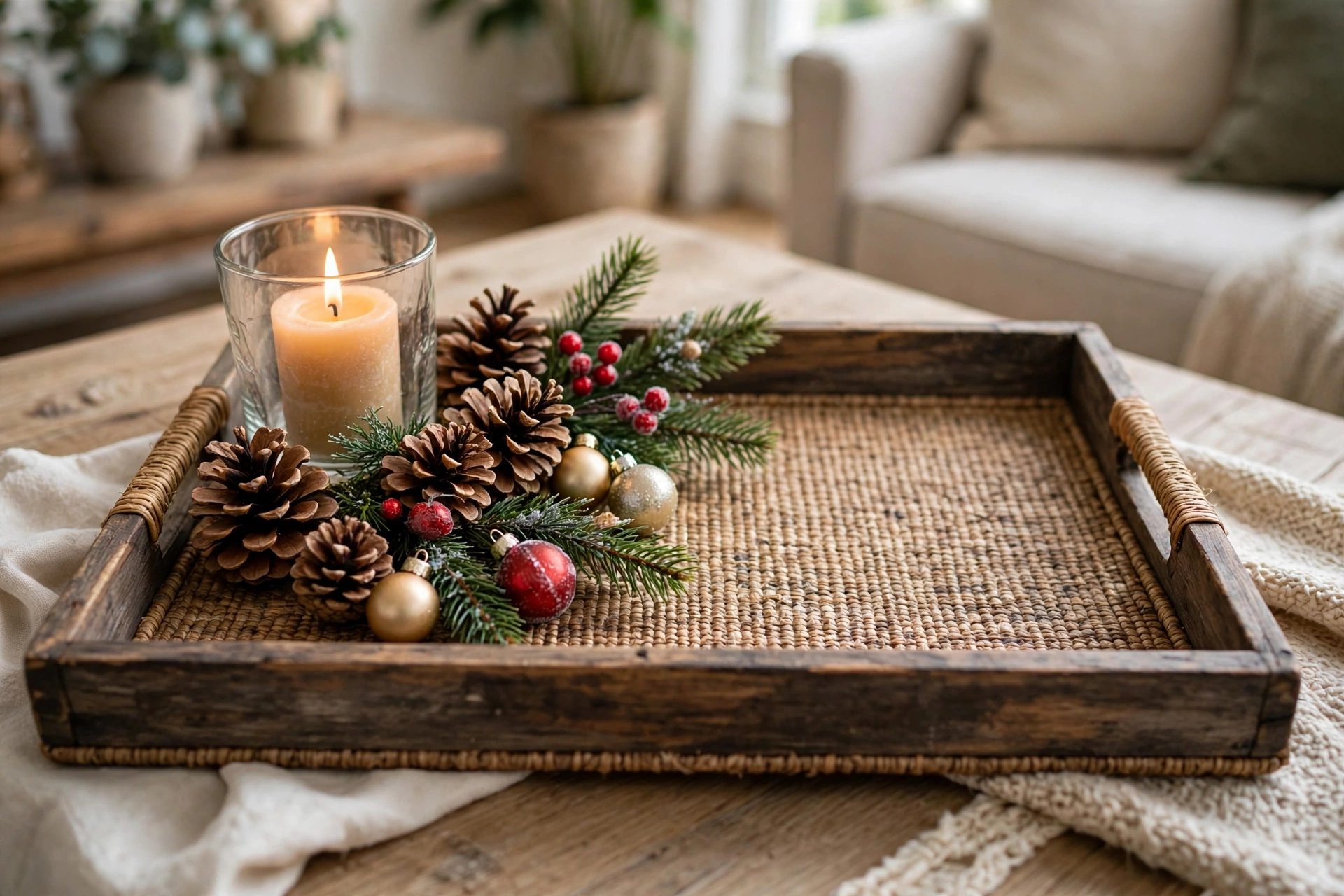
You know that feeling when a room looks tidy but still feels cold? Usually it is missing texture. Everything is smooth. Smooth walls, smooth sofa, smooth floor. Add a few rough, soft, and knobbly things and the room warms up straight away. A velvet cushion on a linen sofa. A chunky knit throw over the arm of a chair. A woven rug under a wooden table.
Start big. The rug matters most, and it needs to be big enough. Front legs of the sofa and chairs on the rug, or it will look like a postage stamp in the middle of the floor. I learned that the expensive way, with a rug I loved that was just too small. Then add the small layers. Cushions in different fabrics, a throw folded over an armrest, a basket of blankets close by. Three or four textures, repeated around the room, is plenty. Any more and it starts to look busy.
Give One Wall a Job to Do
Blank walls are wasted space. Pick the wall you see first when you walk in, usually the one behind the sofa, and make it the star. One big canvas can do it. So can a gallery wall. What does not work, in my experience, is ten tiny frames scattered all over the place with no plan. It just looks like you could not decide.
Vinyl wall art is worth a look if you rent, or if you change your mind a lot. I do. It is cheap, light, and it peels off without taking the paint with it. A quote above the sofa. A nature scene in the reading corner. A city skyline down a hallway. A geometric pattern on a plain wall, which is where our geometric home decor ideas come in handy. You can even get vinyl that looks like panelling, or fake frames, which sounds odd until you see it done well. And seasonal pieces are fun. Swap a winter design for a spring one and the room feels new, without buying any furniture at all.
Gallery walls need a bit of planning, though. Lay everything out on the floor first. Frames, photos, a small mirror, whatever you have. Leave even gaps. Take a photo. Then, and only then, pick up the hammer. Mix sizes, but keep one thing running through them, like the same wood, or black frames, or a colour that repeats. Family photos next to travel prints next to something your kid drew, that is what makes it yours. And leave some empty space around it. A gallery wall needs room to breathe.
Make Some Art Yourself, It Does Not Have to Be Perfect
You do not need to be an artist. I am certainly not. But an abstract canvas, just paint and a blank canvas and half an hour, can look surprisingly good. And it is yours, which no shop print can say. A photo collage is even easier. Print your favourites in different sizes, stick them up with washi tape or clipboards, and swap them out when you get bored.
Other easy ones: fabric in a frame, which is a nice way to use leftover material. Macrame, if you can learn three knots from a video. Pressed leaves between glass. Wooden triangles painted in two or three colours and stuck on the wall in a pattern. String art, stencil art, a wall of old vinyl records if you are into music. And a chalkboard wall, honestly, is the most fun of the lot. Paint one bit of wall with chalkboard paint and let people write on it. Quotes, doodles, shopping lists, whatever. It changes every week, and guests love it.
Keep the Personal Stuff Where You Can See It
A living room should look like someone lives there. Not a showroom. A shelf with the things that matter to you, a photo from a trip, a book you actually read, a souvenir that makes you smile. Give each thing a bit of space, though. One special object on a clear shelf beats ten objects crowded together, every time. Rotate them now and then, too. It keeps the room feeling fresh without spending anything.
And make a cosy corner, even if the room is small. An armchair, a small table, a lamp, a throw. That is all it takes. Mine is by the window, with a basket of books next to it, and it is the seat everyone fights over in winter. In the evening it is for reading. In the morning it is for coffee. Little corners like that are what turn a decorated room into a home.
Light It in Layers, Not Just One Bright Bulb
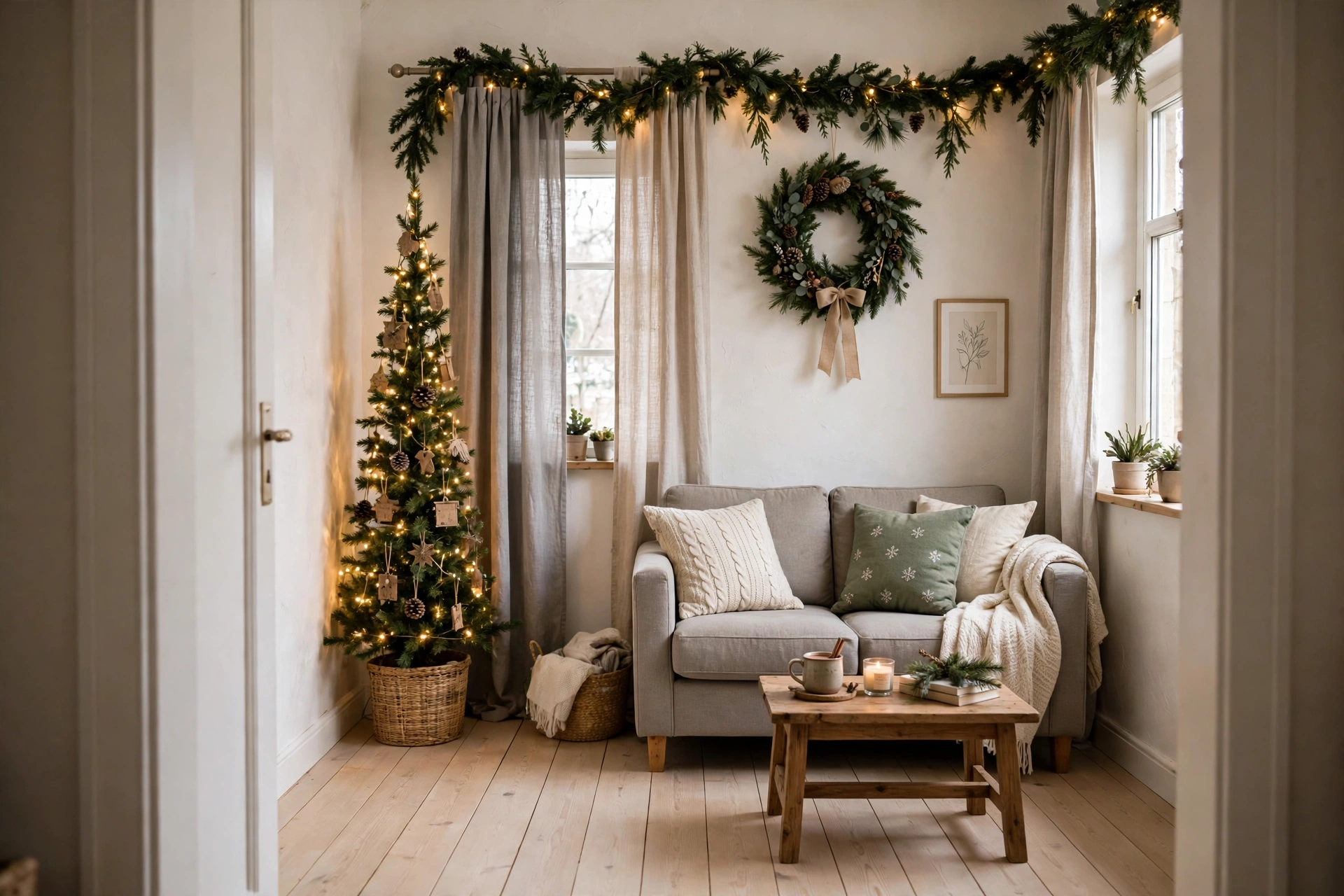
One ceiling light is never enough. Trust me, I tried. You need layers. A main light for when you are cleaning or looking for something. A lamp by the sofa for reading. Something soft, a candle or a small table lamp, for the evening. Together they make the room feel completely different after dark.
A statement light can help, too. A big pendant, a chandelier, an arc lamp that curves over the sofa. Pick one that fits the room, though. A tiny pendant in a big room just disappears, and a huge chandelier in a small room takes over everything. Warm bulbs are better than cold white ones, by the way. Around 2700K, if the box says. And a dimmer switch is one of the cheapest upgrades you will ever make. Bright for homework, soft for a film, done.
Do Not Forget Smell, Sound, and a Bit of Quiet
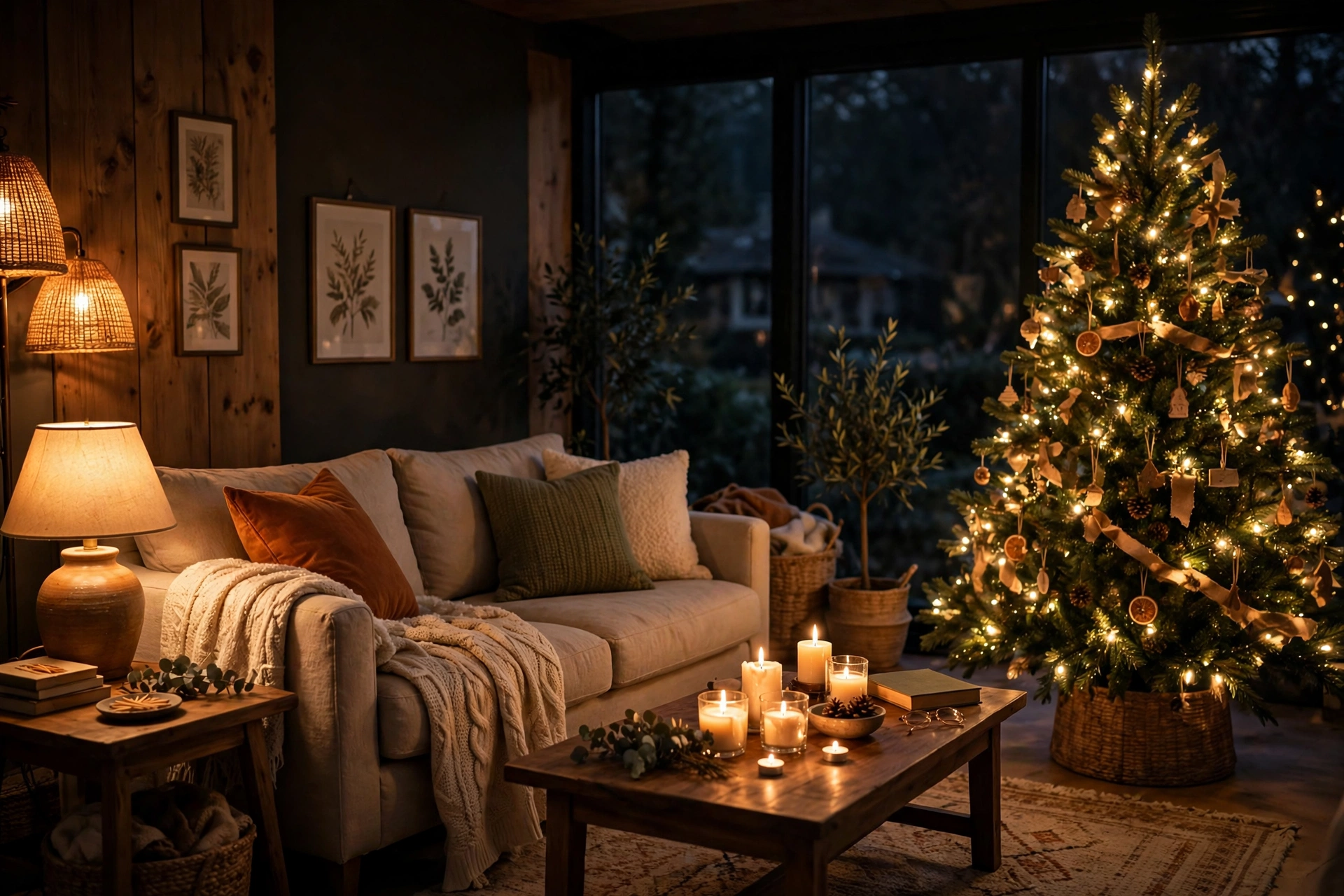
A room is not just what you see. Smell matters. A candle, a diffuser, a bowl of dried lavender, pick one scent and stick with it, so it becomes part of the room. Sound matters, too. A playlist in the background, the radio, a record if you still have a player. It fills the silence without getting in the way.
And keep a quiet corner. Not a fancy one. Just a chair, a plant, no screen. Ten minutes there with a cup of tea can change your whole evening. In a busy house, that corner is not a luxury, it is a lifeline. Keep it simple, keep it tidy, and do not let it turn into a dumping ground for bags and laundry. We all know how that goes.
Smart Tech Is Fine, If It Stays in the Background
Smart bulbs, a speaker, a thermostat you can control from the sofa, all of that is useful. The trick is to keep it invisible. Hide the wires. Put the remotes in a basket. Turn the TV off properly instead of leaving it glowing in standby. A TV on the wall with a simple frame around it looks so much calmer than a black screen on a stand with cables everywhere.
Basically, the tech should help the room, not run it. If you walk in and the first thing you notice is a gadget, something has gone wrong. The wood, the fabric, the plants, those should be what you notice first.
Five Small Changes for This Weekend
Not ready for a full makeover? Fair enough. Try these five, they take a weekend at most. One, clear every surface, then put back only the things you actually love. Two, pull the sofa a few inches away from the wall and turn a chair towards it, so people sit facing each other, not the wall. Three, get a rug that is actually big enough. Four, swap the cushions and add a throw you like the feel of. Five, hang one piece of art at eye level, not up near the ceiling where nobody can see it properly.
Do one a month after that if you like. A lamp in January, a plant in February, a gallery wall in March. Slow is fine. Slow is actually better, because you get to live with each change before you make the next one, and your budget will thank you.
Final Thoughts
Look, a beautiful living room is not about trends, or spending the most money, or copying a photo from a magazine. It is about knowing how you live and building the room around that. Light, plants, honest materials, furniture that works hard, walls that show who you are, and a bit of softness at the end of the day. That is really it.
So pick one idea from this guide and try it this weekend. Just one. Move the sofa. Buy a plant that you probably will not kill. Hang that print that has been leaning against the wall for six months. Then pick another one next week. Before you know it, you will have a living room that looks good, feels good, and actually works for the life you live in it. And that, more than anything, is the point.