
Seasonal & Holiday Home Decor Ideas
I used to think seasonal decorating meant buying a whole new set of things every few months. Then I tried it, and my spare room filled up with boxes I never opened again. The truth is simpler. A home feels fresh when a few well chosen details change, not when everything changes. A lighter throw in spring, a warm candle in autumn, a string of lights in December, and suddenly the same room tells a different story.
This guide brings together the best ideas from eight of our earlier seasonal posts, with the repeats removed and the strongest ideas kept. You will find spring refreshes, fall table settings, Halloween touches that stay friendly, calm holiday and Christmas ideas, plus Diwali and Janmashtami decorations that bring light and colour into the home. Use it as one long read, or jump to the season you need right now.
How to Change Your Decor With the Seasons Without Starting Over
Start with a calm base. Neutral walls, a plain sofa, wooden furniture and simple curtains work in every season. They are the quiet background, and the seasonal pieces do the talking. When the base stays the same, a swap takes an afternoon, not a weekend, and it costs far less.
- Pick one anchor for each season. A wreath on the door, a centrepiece on the table, or a garland on the mantel is enough to set the mood.
- Change three things, not thirty. Try cushion covers, a table runner and a scent. If the room still feels flat, add a fourth piece, not ten.
- Repeat a colour twice. A colour looks planned when it appears in two places, for example in a throw and in a vase of flowers, or in napkins and in candles.
- Keep one natural element. Fresh flowers, green leaves, pinecones, fruit or a small plant make even a simple room feel alive.
- Store by season, in labelled boxes. When you put things away, note what you actually used. Next year, you will know what to keep and what to let go.
It also helps to shop your own home first. That vase from the bedroom might be perfect on the dining table in autumn. A scarf can become a table runner for one evening. A jar, a tray and a few candles can become a centrepiece in five minutes. Seasonal decorating works best when it feels playful, not like a project with a deadline.
Spring Home Decor Ideas That Make a Room Feel Fresh
Spring is the easiest season to decorate for, because the whole point is lightness. After a long winter, most of us want air, colour and a bit of green. Start by opening the windows, washing the curtains if you can, and letting the daylight do some of the work.
Fresh flowers come first. A bunch of tulips, daffodils or lilies on the table changes a room in seconds, and you do not need a fancy vase. A glass jar, a jug or even a clean jam jar works, and a mix of one flower in three jars often looks better than a large, stiff bouquet. Change the water every couple of days and trim the stems, and they will last longer.
Brighten the fabrics. Swap heavy winter throws for cotton or linen in soft colours, and put a light cover on the cushions. Pastel shades work well here: soft pink, pale blue, mint green and butter yellow. You do not need all of them at once. Pick two, and let white or cream carry the rest. A pastel cushion, a light throw and a simple vase can be the whole spring look.
Add a touch of green. Indoor plants, a small herb pot on the kitchen sill, or a spring wreath on the door all signal the season. A wreath does not have to be bought. Twigs, faux flowers and a bit of ribbon can make a cheerful one in an afternoon, and it is a good craft to do with children. Seasonal artwork helps too. A print with flowers, birds or a bright landscape, swapped into a frame you already own, refreshes a wall without any painting.
Finish with light and scent. Sheer curtains let in more daylight, and a mirror opposite a window bounces that light around the room. For scent, try a candle or a reed diffuser with citrus, lavender or fresh linen notes. If you like a small project, a coat of paint on one tired piece of furniture, a plant stand or a side table, can lift the whole room. Keep it simple, keep it bright, and spring will do the rest.

Fall Table Decor Ideas for Warm Autumn Gatherings
Autumn is the season of the table. Meals get longer, evenings get darker, and a warm table makes everyone want to stay. You do not need to buy a full autumn set. A few natural pieces, warm colours and soft light are enough, and most of them can be used again next year.
Start with a centrepiece that has height and warmth. A tray with small gourds, pumpkins and a pillar candle is a classic for a reason. It looks generous, it smells faintly of autumn when the candle is lit, and it takes five minutes to put together. If you prefer flowers, try an autumn floral arrangement in deep red, orange and gold, with a few dried leaves tucked in. A low, wide vase keeps the flowers below eye level, so guests can still talk across the table.
Build the table in layers. A leaf patterned table runner over a plain cloth, or a linen runner over a wooden table, gives the setting a finished look without a lot of fuss. Add a basket of orchard fruit, apples, pears or small pumpkins, as a second centrepiece at the other end of a long table. For a smaller table, one idea is enough. A pumpkin used as a vase, with a few stems inside, is charming and costs almost nothing.
Add light and texture around the edges. Candlelit lanterns on the sideboard, or a row of small candles down the centre of the table, make the room glow as the evening comes in. Mini pumpkins on a bed of hay, a glass terrarium filled with autumn foliage, or a small bowl of acorns and pinecones can fill the gaps without looking cluttered. Herb planters, rosemary, thyme or sage in small pots, work as place settings and as a gift guests can take home. Keep the palette warm, keep the light low, and let the food and the company be the main event.

Spooky Season Home Decor: Halloween Without the Mess
Halloween decorating is at its best when it is playful, not gory, and when it can be packed away in one box. A few spooky touches at the door, on the mantel and on the table are enough to make children smile and guests laugh, and you do not need fake blood or a fog machine to get there.
Start at the entrance. A simple ghost garland, made from white fabric, paper or felt, hung across the door or along the porch, sets the tone before anyone steps inside. Add a wreath with a few black feathers, dark leaves or a small skull, and a lantern with a flickering candle inside. If you have steps, a row of small pumpkins, real or carved from foam, leads the eye to the door and photographs well in the evening light.
Use shadows and silhouettes inside. Black paper bats on a wall, a silhouette of a cat or a witch on a window, and a set of creepy candle holders on the mantel create a spooky mood with very little clutter. Potion bottles are another easy win. Save a few old jars, add a paper label with a hand written name, fill them with coloured water or dried leaves, and group them on a shelf. A haunted portrait, which is just an old framed print with a spooky face drawn on a piece of paper slipped behind the glass, makes guests do a double take.
Keep the table fun, not frightening. A spider web tablecloth, a few plastic spiders, and a bowl of sweets are enough for a Halloween dinner. Zombie flower pots, small plants in pots painted like monsters, work as a centrepiece and as a craft for children. Hang a few paper ghosts or bats from the ceiling with clear thread, so they move gently when someone walks past. For the evening, turn the main lights down and use candles, fairy lights or a lamp with a warm bulb. Long shadows on the wall do more than any plastic decoration, and they cost nothing.
Holiday and Christmas Decor Ideas That Still Feel Calm
Christmas can easily turn into too much: too many lights, too many ornaments, too many things to store in January. The homes that feel most festive are usually the calmest ones, with a clear palette, natural materials and a few pieces that mean something. Start with the tree, the mantel and the front door, and leave the rest of the house mostly as it is.
Choose a tree style and stick to it. A nature inspired tree uses pinecones, wooden ornaments, dried orange slices and berries, and it suits a rustic or neutral room. A monochromatic tree, all cream, all gold, or all silver, looks elegant and is easy to shop for, because every ornament you pick fits. A vintage tree, with old glass baubles, tinsel and family ornaments, tells a story, and a whimsical tree, with bright colours, ribbons and playful shapes, is perfect for a home with children. If you want a lighter footprint, try an eco friendly tree: a potted tree you can plant later, a small tree on a table, or a wall tree made from branches and lights. For more detail on styles, colours and layouts, see our Christmas tree decor ideas.
Layer metallics and light, then stop. Gold, silver or copper ornaments catch the light and make a tree glow, especially with warm white fairy lights. Wrap ribbon loosely around the tree, place larger ornaments deeper in the branches and smaller ones at the tips, and leave a little space between pieces so the tree can breathe. An interactive tree, with a few ornaments children can touch, or a small train at the base, adds joy without extra clutter. At night, the lights alone can be the decoration, so try the tree with just lights first, then add ornaments one group at a time.
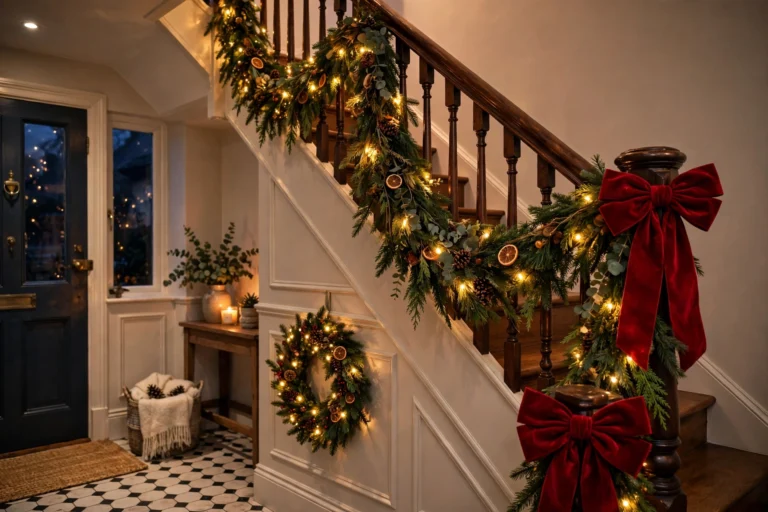
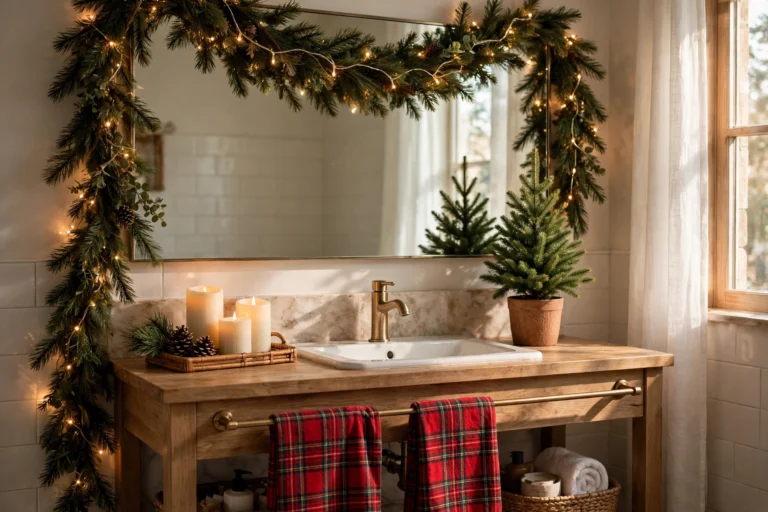
Make the rest of the holiday simple and sustainable. Use natural decor where you can: fresh greenery, pinecones, cinnamon sticks and dried oranges. Choose reusable ornaments over single use ones, and LED lights, which use less energy and stay cool. Make a few DIY ornaments, paper stars, dried orange garlands and pinecone ornaments are all easy, and our easy DIY Christmas decorations show how to make them. Potted plants can stand in for a second tree, sustainable candles add scent without plastic, and gifts wrapped in cloth or recycled paper look better than shiny wrap and create almost no waste. For the mantel and the stairs, see our Christmas garland ideas and Christmas fireplace decor ideas, and buy from local makers when you can. A handmade ornament supports a small business and usually lasts longer than a mass produced one.

Diwali Decorations That Light Up Your Home
Diwali is a festival of light, and the decorating should follow that idea. The goal is a home that glows, smells sweet and feels welcoming, whether you are hosting a large family dinner or a quiet evening with a few close friends. Start a few days early, so the festival itself feels relaxed.
Begin with light. Diyas, small clay oil lamps, are the heart of Diwali decor. Place them along windowsills, on the steps, around the entrance and on the dining table, with a small plate or tray under each one for safety. Add candles in glass jars, string lights around a window or a balcony, and a few illuminated jars with fairy lights inside. Keep the light warm, not bright white, and the whole home will feel softer.
Add colour at the door and on the walls. A rangoli at the entrance, made from coloured powder, flower petals or even coloured rice, is a traditional welcome and a beautiful first impression. Paper lanterns in bright colours, hung from the ceiling or in a window, add colour during the day and glow at night. Wall hangings, streamers and banners in gold, red and orange bring the festival into the living room, and a simple wall mural or a framed print can anchor a feature wall for the week.
Finish with flowers and natural materials. Marigold garlands on the door, around a mirror or across the mantel are classic Diwali decor, and their scent fills the room. Mix them with green leaves and a few roses for contrast. Bamboo lanterns, wooden trays and brass bowls add a natural, warm texture that balances the bright colours. Set the festive table with a bright runner, small diyas as place markers, and a bowl of flowers in the centre. It does not need to be elaborate. Light, colour and fresh flowers are enough.

Janmashtami Decoration Ideas for a Festive Home
Janmashtami celebrates the birth of Lord Krishna, and the decorating is joyful, colourful and full of small, meaningful details. The centrepiece is usually a small cradle, or jhula, for the baby Krishna idol, decorated with flowers and fabric, and placed where everyone can see it. Build the rest of the decor around that focal point.
Create a beautiful cradle first. Dress the cradle with soft fabric in bright colours, add a canopy or a small arch of flowers, and place it on a low table with a clean cloth. Marigold and rose garlands around the cradle, a few diyas at the base, and a peacock feather, which is closely linked with Krishna, make the setting feel complete. Keep the area tidy, with space for people to sit, pray and sing.
Use colour, flowers and light throughout the home. Hang flower garlands across the door, around windows and along the balcony. Place small pots of tulsi or other green plants near the entrance, and add fairy lights or diyas in the evening. A rangoli at the door, in bright colours, welcomes guests, and a simple backdrop, a coloured cloth with a few paper flowers or a toran, behind the cradle makes photographs look lovely.
Add playful details for children. A small butter pot, or matki, decorated with paint and ribbon, is a charming nod to the stories of young Krishna, and it can be hung safely out of reach as a decoration. Paper peacocks, flutes made from craft materials, and small baskets of flowers give children something to look at and talk about. Offerings of fruit, sweets and flowers, arranged neatly on a tray near the cradle, complete the scene. Keep the decor joyful and uncluttered, so the celebration, not the clutter, is what people remember.
A Simple Seasonal Plan You Can Reuse Every Year
If you want a plan you can repeat without thinking too hard, use this one. It takes the ideas above and turns them into a short routine for each season.
- Spring: fresh flowers, light fabrics, pastel cushions and a green plant by the window.
- Summer: sheer curtains, a bowl of fruit on the table, and outdoor inspired colours in the living room.
- Autumn: a warm table centrepiece, lanterns, pinecones and a leaf runner for gatherings.
- Winter and the holidays: one clear tree style, warm lights, natural greenery and a calm mantel.
- Festivals: light first, then colour, then flowers, whether the festival is Diwali, Janmashtami or Christmas.
Put a reminder in your calendar a week before each season changes, and give yourself one afternoon to swap the pieces. Take a photo of the room when you like it, so next year you can copy your own best work. Over time, you will build a small collection of pieces you love, and decorating will feel like welcoming a familiar season back, not starting from scratch.
Frequently Asked Questions
How often should I change my home decor? Four times a year is plenty for most homes, once per season, with a few small tweaks for festivals in between. Change the textiles, the centrepiece and the scent, and leave the furniture alone.
How can I decorate for the holidays on a small budget? Use what you already own, add natural materials like pinecones, greenery and dried oranges, and make one or two DIY pieces. Reusable ornaments, LED lights and potted plants cost less over time than buying a new set every year.
What is the easiest way to make a room feel seasonal? Change the scent and the centrepiece. A candle with a seasonal scent, plus fresh flowers in spring, a bowl of fruit in summer, a lantern in autumn or a string of lights in winter, will change the mood of a room in minutes.
Seasonal decorating is not about keeping up with trends. It is about noticing the time of year and letting your home reflect it, in a way that feels warm, personal and easy to live with. Start small, keep the pieces you love, and let the seasons do the rest. Your home will feel fresh in spring, warm in autumn, bright at Diwali and Janmashtami, and calm and glowing at Christmas, without a single room full of boxes you never open.