
Boho, Eclectic, Gothic & More Home Decor Ideas
Walk into some homes and you just exhale. Others hit you straight away, with colour, or shadows, or stories on every shelf. The good ones? They do a bit of everything. That is the whole idea here, honestly. I went through nine older posts on this site, boho, eclectic, gothic, Moroccan, dark academia, artistic, geometric, upcycled, and hand painted, and pulled out only the ideas that actually work in a real house. Not a showroom. A house where people sit, spill tea, and live. No repeats. No filler. Just the bits that make each style feel like itself.
If you have ever loved two styles that seem to clash, you are not alone. I once hung a Moroccan lantern over a plain white table and the whole room changed that night, warm shadows everywhere, and suddenly the boring table looked like it belonged in a story. That is the thing. You do not need a showroom, and you do not need to pick just one style and marry it forever. Pick a feeling first. Cosy? Bold? Quiet and bookish? Then let the details follow that feeling, and the room will start to make sense on its own.
How to Mix Bold Styles Without Making a Mess
Mixing styles sounds risky, but it gets much easier when you give yourself a few simple rules. Start with one main style for each room, then borrow one or two touches from another style. That way the room has a clear base, and the extras feel like personality rather than clutter. A boho living room can take a gothic candle holder. A dark academia study can take a bright Moroccan cushion. The base holds it together.
Colour is the other quiet hero here. Pick two or three colours you love and repeat them across the room, in cushions, art, a rug, or a throw. When the colours repeat, even very different objects start to look like they belong together. Texture does the same job. Wood, velvet, rattan, brass, and wool can sit side by side if the palette stays calm. And light matters more than most people think. Warm lamps in the evening can soften a dark wall, while daylight can keep a busy pattern from feeling heavy.
- Choose one lead style per room, and treat the others as accents.
- Repeat two or three colours across furniture, textiles, and art.
- Leave some empty space, because a crowded room hides the good pieces.
- Change one small thing first, live with it for a week, then decide what comes next.
Boho Decor: Layered, Relaxed, and Full of Texture
Boho is the style I recommend when a room feels stiff or cold. It is relaxed, layered, and forgiving, which makes it a great place to start. Think natural fibres, soft light, and things that look collected over time rather than bought in one trip. Macrame wall hangings add softness to a plain wall, and they work just as well in a bedroom as they do in a living room. Rattan chairs and woven baskets bring in warmth, and they are light enough to move around when you want a change.

Layering is where boho really shines. Start with a plain sofa or bed, then add a patterned throw, a couple of cushions in different textures, and a rug that ties the colours together. Earthy tones like terracotta, sand, olive, and warm brown keep the look grounded, while a few brighter touches stop it from feeling flat. Plants do a lot of the work too. A tall plant in a woven basket, a trailing plant on a shelf, or a few small pots on a windowsill can make a room feel alive in a way that no cushion can.
Boho also loves a cosy corner. A floor cushion, a soft throw, and a small side table can turn an empty spot by a window into the place everyone wants to sit. Vintage or second hand furniture fits here beautifully, because a little wear adds character. Keep the light soft, let the textures do the talking, and do not worry about matching everything. In boho, a little mismatch is the point.
Eclectic Decor: Make It Personal, Not Random
Eclectic decor gets a bad name sometimes, because people think it means throwing everything together and hoping for the best. In a good eclectic room, the opposite is true. Every piece has a reason to be there, usually because it means something to the person who lives there. Mix furniture from different eras, a modern sofa with a vintage side table, or a sleek lamp next to an old wooden chair, and let the mix tell your story.
A gallery wall is one of the easiest ways to make eclectic work. Hang art, photos, and small objects together, and keep the frames in a similar colour family so the wall feels planned rather than messy. Bold colour helps too. Pick one strong colour for a cushion, a piece of art, or a chair, and let the rest of the room stay calmer around it. Pattern mixing works the same way. A striped cushion can sit next to a floral one if they share a colour, and a patterned rug can ground the whole mix.
Personal collections are the finishing touch. Books, travel souvenirs, handmade pieces, and family photos give an eclectic room its warmth. Display them in small groups rather than spreading them everywhere, and give each group a little breathing room. That is the difference between a room that feels collected and a room that feels cluttered, and it is a difference you can feel the moment you walk in.
Gothic Decor: Moody Elegance That Still Feels Like Home
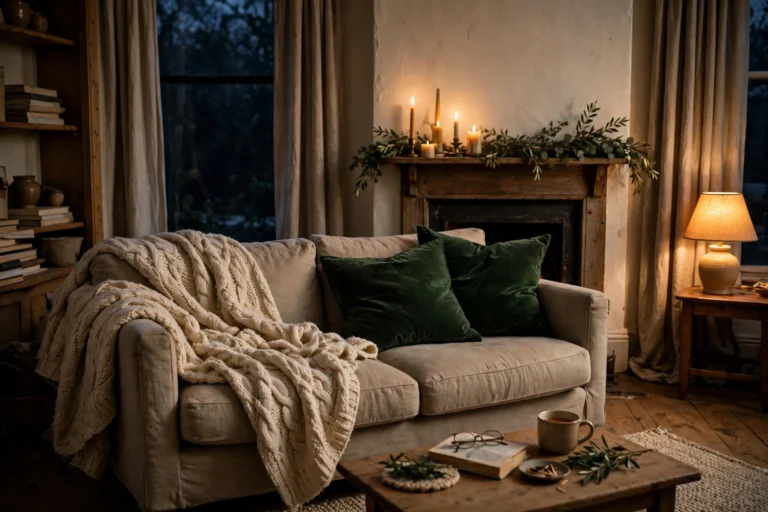
Gothic decor is dramatic, but it does not have to feel cold or scary. At its best, it feels rich, calm, and a little bit romantic. Start with a dark base, like deep green, charcoal, or burgundy, and use it on one wall, a velvet sofa, or a set of curtains. Then add warmth with candlelight, brass, and dark wood. That contrast, dark colour plus warm light, is what keeps a gothic room inviting instead of gloomy.

Velvet is the fabric that does the most work in this style. A velvet cushion, a velvet chair, or even a velvet throw can change the feel of a room in minutes. Ornate mirrors help too, because they bounce light around a dark room and make it feel larger. Stained glass, dark wood furniture, and vintage frames add detail without needing a big budget. You can find many of these pieces second hand, and a little patina only makes them look better.
If a fully dark room feels like too much, start small. Paint one accent wall, add dark curtains, or bring in a black candle holder and a deep coloured cushion. Live with that for a while, then add more if you like it. Gothic works best when it feels layered and lived in, not like a film set, so keep the pieces you actually use close at hand, and let the drama come from the colour and the light.
Moroccan Accents: Warmth, Pattern, and Glow
Moroccan style brings instant warmth to a room. It is all about rich colour, bold pattern, and light that feels like golden hour, even on a grey day. Moroccan lanterns are the classic starting point, and for good reason. When they are lit, they throw patterned shadows across the walls, and the whole room changes. Hang one above a dining table, or place a few on a shelf, and you will see what I mean.

Mosaic tiles are another Moroccan signature. You do not need to retile a whole bathroom to use them. A tiled tray, a small table, or a backsplash in a kitchen can bring in that colour and pattern without a big renovation. Moroccan rugs are just as useful. Their bold patterns and warm colours can anchor a living room, and they work beautifully with plain furniture, because the rug does the talking.
Low seating, poufs, and floor cushions make a Moroccan room feel relaxed and social. Add carved wood, brass trays, and patterned textiles, and keep the colours rich: deep blue, terracotta, gold, and warm red. Arches, even small ones in a mirror frame or a doorway, add that unmistakable Moroccan shape. The key is to let one or two bold pieces lead, and keep the rest simple, so the pattern feels joyful rather than busy.
Dark Academia: A Scholarly Room With Soul
Dark academia is the style for people who love books, old buildings, and quiet evenings. It feels scholarly and a little bit nostalgic, like a library in an old university. Dark wood is the foundation here: bookshelves, a wooden desk, or a leather chair can set the tone. Add warm brass lamps, candles, and soft, layered lighting, and the room starts to feel like a place where you want to read for hours.
Books are not just decoration in this style, they are the point. Fill shelves with books you have actually read, or plan to read, and mix in a few personal objects: a globe, a vintage clock, a framed map, or an old photograph. Plaid throws, leather, and rich velvet add texture, while art prints and academic posters give the walls character. If you are building a reading corner, our home library ideas pair naturally with this look, because both styles start with books and warm light.
Colour stays moody: deep green, brown, burgundy, and charcoal, with brass and warm wood to keep it from feeling flat. You do not need a huge room, or a huge budget, to try it. A single bookshelf, a good lamp, and a comfortable chair can be enough to create that feeling. Add a candle, a stack of books, and a quiet corner, and you have a dark academia moment, even in a small flat.
Artistic and Hand Painted Touches: Let Your Walls Tell a Story
Artistic decor is about letting your home show what you love, rather than what a catalogue told you to buy. A large statement piece of art can set the whole mood of a room, and it does not have to be expensive. Local artists, prints, and even your own work can be just as powerful as a famous name. Hang art at eye level, give it space, and let it be the first thing people notice when they walk in.

Hand painted pieces take that idea one step further, because no two are exactly alike. Hand painted wall plates can turn a plain wall into a gallery. Painted flower pots add colour to a windowsill or a balcony. An accent table, a lamp shade, a picture frame, or a set of coasters can all become small works of art, and they are the kind of pieces guests always ask about. A hand painted mural, even a small one in a hallway or above a desk, can change a room completely.
Sculptures, colourful cushions, and creative lighting add to the artistic feel, but the real secret is to leave room for the art to breathe. A busy wall with too many pieces can hide the ones you love most. Pick a few favourites, hang them well, and keep the furniture around them simple. If you paint something yourself, even a small tray or a pot, it will mean more to you than anything you bought, and that is the whole point of this style.
Geometric Decor: Clean Lines That Calm a Busy Room
Geometric decor is the calm counterpoint to all the pattern and texture above. It uses clean shapes, triangles, hexagons, circles, and straight lines, to bring order to a room. A geometric rug can define a seating area. Geometric shelves can turn storage into a feature. Geometric wallpaper on one wall can add energy without overwhelming the space, especially if the rest of the room stays plain.
This style works particularly well in modern rooms, and in small rooms, because the shapes draw the eye and make the space feel considered. Try geometric cushions on a plain sofa, a geometric mirror in a hallway, or geometric tiles in a bathroom. Lighting can be geometric too: a pendant with clean lines, or a lamp with a bold shape, can become a focal point. The trick is balance. One or two geometric pieces per room is usually enough. Too many, and the room starts to feel like a puzzle rather than a place to relax.
Geometric also pairs well with the other styles in this guide. A geometric rug can calm a boho room. A geometric shelf can add structure to an eclectic gallery wall. A simple geometric pattern can even soften a dark gothic room, because it gives the eye a clear shape to rest on. Use it as a tool, not a rule, and let it bring a little order to the styles you love most.
Creative Upcycled Decor: Style With a Smaller Footprint
Upcycled decor is my favourite way to make a home feel personal on a small budget, and it is kinder to the planet too. The idea is simple: take something old or ordinary, and give it a new job. Wooden pallets become coffee tables, shelves, or garden planters. Mason jars become candle holders, vases, or storage for a bathroom or kitchen. Tin cans, painted and grouped together, make charming planters or pen holders.
Old ladders make wonderful shelves or blanket racks. Wine corks can become coasters, notice boards, or trivets. Fabric scraps can become cushion covers, bunting, or a patchwork throw. Glass bottles can become vases or candle holders, and wooden crates can become side tables, toy storage, or bookshelves. Even an old door or window frame can become wall art, a mirror frame, or a headboard. The pieces carry a history, and that history is part of their charm.
Start with one project, and choose something you will actually use. A pallet coffee table, a set of jar lanterns, or a crate shelf is a good first step. Sand the edges, paint or oil the wood if you like, and make sure the piece is safe and sturdy before you use it every day. If you enjoy hands on projects, our easy DIY Christmas decorations show the same idea in a seasonal form, and the same skills work all year round. Upcycled pieces also fit well in multi-purpose homes, where furniture often needs to do more than one job.
How to Bring It All Together in One Home
By now you have nine styles in your head, and that can feel like a lot. The good news is that you do not have to use all of them at once. Most homes feel best with one lead style, one supporting style, and a few small touches from a third. A boho living room with geometric cushions and a Moroccan lantern is a complete look. A dark academia study with a hand painted pot and a gothic candle holder is another. The mix is yours to choose.
- Keep the colour palette to two or three main colours across the whole home.
- Repeat a material, like wood or brass, in more than one room, so the home feels connected.
- Use lighting to link styles: warm lamps work in boho, gothic, Moroccan, and dark academia alike.
- Let each room have one star piece, and keep the rest quieter around it.
Think about how you actually live, too. A room for reading needs good light and a comfortable chair. A room for entertaining needs places to sit and surfaces for cups and plates. A hallway needs a mirror and a place for keys. When the style serves the way you live, the room feels right, even if the styles are mixed. When style comes first and comfort comes second, even the prettiest room can feel wrong.
A Simple Room by Room Starting Plan
If you are not sure where to begin, start with the room you spend the most time in, usually the living room or the bedroom. Choose the style that feels most like you, then add one accent from a second style. In a living room, that might mean a boho rug, a geometric cushion, and a Moroccan lantern. In a bedroom, it might mean dark academia colours, a hand painted tray, and soft, warm lighting.
Next, move to a smaller space, like a hallway or a bathroom, and try a bolder idea there. A small space is a safe place to experiment, because a dark wall or a bright pattern feels less risky when it is only in one corner. Finally, look at the pieces you already own. Many homes already have a mix of styles hiding in plain sight: a vintage chair, a patterned rug, a handmade gift. Start with those, add one or two new pieces, and you will be surprised how quickly the room comes together.
Final Thoughts: Start With One Style You Love
Boho, eclectic, gothic, Moroccan, dark academia, artistic, geometric, upcycled, and hand painted decor all share one thing: they work best when they reflect the person who lives with them. You do not need to follow every trend, or buy everything at once. Pick the style that makes you smile, add a texture or a colour you love, and build from there, one piece at a time.
Try one thing this weekend. Just one. A macrame hanging, a velvet cushion, a Moroccan lantern, a hand painted pot, whatever catches your eye first. See how the room responds. Honestly, small changes shift a whole home, and the best rooms I have seen were never finished in a day. They grew, piece by piece, with things that meant something. Start with the style you love. Let the rest follow.