Rustic, Farmhouse & Western Home Decor Ideas
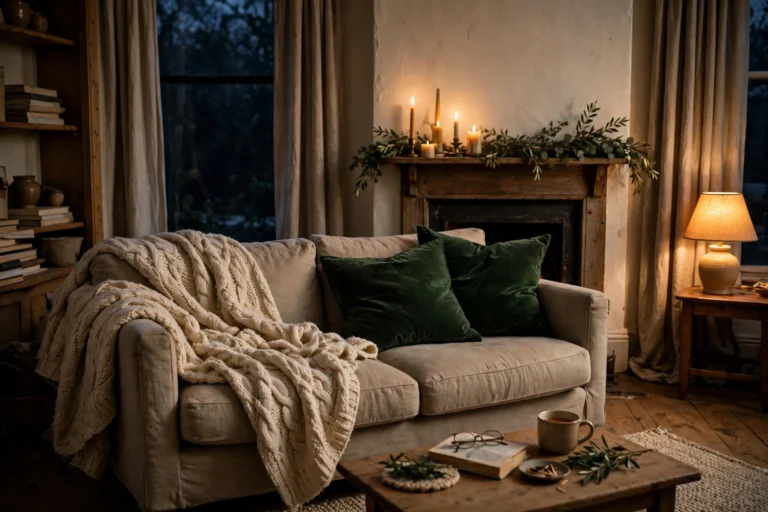
You know that feeling when you walk into a house and it just feels right? Not fancy. Not perfect. Just warm. The wood looks like it has been there a while, the light is soft, and there is a blanket thrown over the arm of the sofa like someone was sitting there five minutes ago. That is what rustic, farmhouse and western decor do best, and honestly, the three styles get along far better than most people expect.
Rustic brings nature indoors. Farmhouse adds simple comfort and a proper welcome. Western brings a bit of bold character and a touch of romance from the ranch. Put them together and you get a home that feels warm, lived in and completely yours.
This guide pulls the best ideas from all three styles into one plan. It works in a country cottage, and it works in a city apartment too. You will find ideas for every room, plus wall art, lighting and the small touches that tie it all together.
What Ties Rustic, Farmhouse and Western Style Together
A log cabin living room, a white farmhouse kitchen and a ranch style den look like three different worlds at first. Look a little closer, though, and they share the same roots. All three are built on natural materials, honest craftsmanship and rooms that are meant to be used, not just looked at.
Rustic is the most connected to nature. Raw wood, stone, wool, linen. Texture does most of the talking. Farmhouse is the simplest of the three: clean lines, light walls, practical pieces that earn their keep every day. Western is the bold one. Leather, cowhide, southwestern patterns, and pieces with a past, like old saddles and vintage signs.
So how do you mix them without making a mess of it? Restraint. Pick two or three materials and repeat them through the house, and let one strong piece carry each room. When the same wood tone shows up in the dining table, the entryway bench and a picture frame, the house starts to feel like one thoughtful space instead of a pile of random finds.
Start with Natural Materials
Every rustic room starts with what it is made of, and wood comes first. Reclaimed wood most of all. Barn wood, old planks, weathered beams. They carry marks and knots that new wood just cannot copy, and that is exactly the point. A reclaimed wood dining table or a live edge shelf brings warmth and history into a room the day you bring it home.
Stone is the second anchor. A stone fireplace, a slate hearth, even a few stone accessories can ground a room and keep all that wood from floating away. Then metal adds contrast. Wrought iron, galvanized steel, aged brass. Keep the metals warm and matte, not shiny and new, and they will sit happily next to the wood.
And do not skip the soft stuff. Woven baskets, jute rugs, cotton throws, linen cushions. They keep wood and stone from feeling cold. Layer a jute rug under a wool one. Tuck a woven basket next to a leather chair. Every layer makes the room feel more comfortable, and more finished.
Choose an Earthy Color Palette
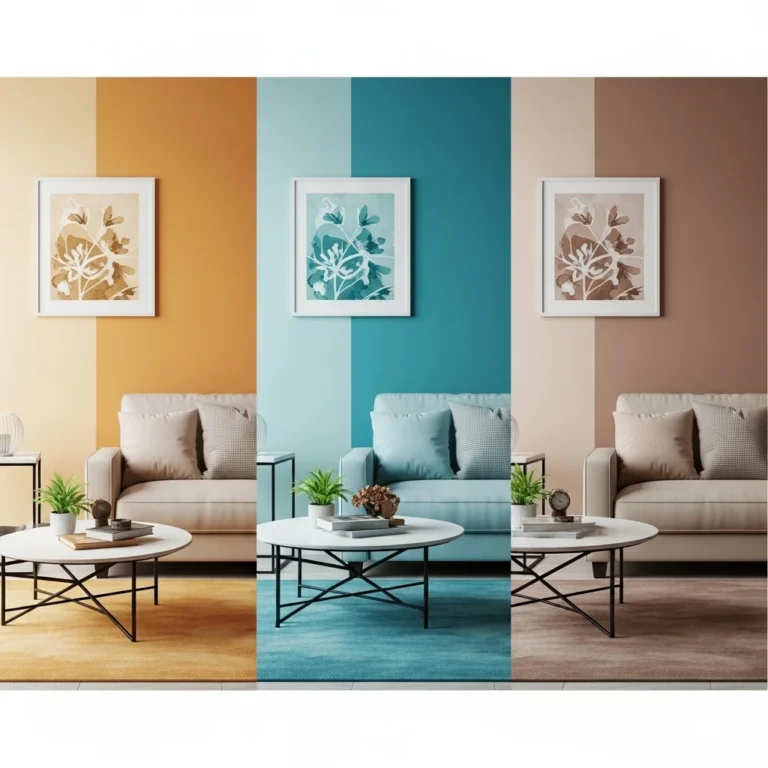
Color sets the mood before a single piece of furniture arrives, so get this right and half the work is done. Rustic, farmhouse and western rooms all lean on the same earthy palette: warm whites, soft browns, sage green, warm gray, muted taupe. These colors come straight from nature, which is why they never fight with wood, stone or leather.
Start with light walls. Warm white or pale cream keeps rooms bright and gives the wood and textiles room to shine. Then bring color in through things you can change without a paintbrush: cushions, throws, rugs, art. Rust, terracotta, deep teal, dusty blue. They all work as accents, and you can swap them out when you fancy a change.
One tip, and it is worth more than all the rest put together: test paint in your own light before you commit. A warm gray that looks perfect in the shop can turn cold under evening lamps. A cream can go yellow in strong sun. Paint a big swatch, live with it for a day, then decide.
Layer Textiles for Warmth and Comfort
If wood is the bones of a rustic home, textiles are the warmth. And layering is the whole secret. A linen sofa with a wool throw, a plaid cushion and a woven rug underneath feels inviting in a way bare furniture never will. It is the difference between a showroom and a home.
Mix materials and patterns, but keep the palette calm. A soft linen throw next to a chunky knit blanket. A patterned southwestern cushion beside a plain leather chair. Plaid in the living room, stripes in the entryway, a soft solid in the bedroom. The house feels connected, but nothing looks matched, and that is a good thing.
Rugs deserve a bit of fuss. A big jute or wool rug anchors a seating area, and layering a smaller patterned rug on top adds depth. In the bedroom, a soft rug beside the bed makes cold mornings a little kinder. Choose rugs you actually want to walk on barefoot. Comfort is the whole point.

Pick Furniture with History and Character
The best rustic furniture looks like it has lived a little. A farmhouse dining table with a worn top. A vintage wooden bench. A distressed sideboard, or a leather armchair with a soft patina. That kind of character is something flat pack furniture just cannot fake.
Mixing pieces is part of the fun. A modern sofa sits happily next to a vintage wooden side table. Mismatched dining chairs around one solid table look collected, not careless. One rule helps: let a single piece be the star of each room, and let the rest support it.
Flea markets, thrift stores and antique shops are your best friends here. Look for solid wood, dovetail joints and real wear, not fake distressing. A sturdy old piece, cleaned up and oiled, will often outlast something new, and it brings a story into your home for free. My own dining table came from a barn sale, and the scratch from a dropped cast iron pan is still there. I would not trade it.
Bring In the Western Ranch Look
Western style is where rustic decor gets its bold side, and leather is where it starts. A caramel or deep brown leather sofa or armchair is the classic western anchor, and it only gets better with age. Pair it with a cowhide rug, which adds pattern and texture and a touch of the wild to any floor.
Lighting is where western style really shows off. A wagon wheel chandelier over a dining table or in a foyer is an instant focal point, and guests will comment on it before anything else. If that feels too big, wrought iron lanterns or pendant lights with a warm glow do the same job on a smaller scale.
The walls carry the rest of the story. Western artwork, like paintings of open landscapes, horses or cowboy life. Vintage signs. Old ranch artifacts. Southwestern textiles bring the color: a bold patterned throw, a woven wall hanging, cushions in rust, turquoise and cream. Woven baskets work as storage, planters or wall art, and antique finds like old saddles, spurs or farming tools add a kind of authenticity you cannot buy new. Just keep western pieces to a few strong choices per room. Curated, not costume. That is the line.

Make Your Entryway Welcoming, the Farmhouse Way
The entryway is the first thing guests see, and farmhouse style does it better than any other. Start with a vintage wooden bench. Somewhere to sit, somewhere to drop bags, and a surface to style with cushions and a folded throw.
Above the bench, hang a statement mirror in a barn wood or distressed frame. It bounces light around and makes a small space feel bigger, which matters in most entryways. Add rustic hooks or a row of pegs for coats, hats and dog leashes, and keep a woven basket or two underneath for shoes and everyday clutter.
Then the finishing touches, which are what make an entryway feel like home rather than a hallway. A galvanized metal bucket with a potted plant. A farmhouse sign that says welcome. An old fashioned wall clock. A small rug in a warm pattern. Layer the lighting too: a pendant or lantern by the door, plus a small lamp on a console table, and the space glows in the evening. For more storage ideas that keep a busy entryway tidy, see these home organization ideas.

Rustic Wood Wall Art That Warms a Room
Blank walls are a missed chance in a rustic home, and wood wall art is the easiest way to fill them with warmth. Big pieces work best over a sofa, a bed or a fireplace. A layered wooden landscape with mountains and pine trees brings the outdoors inside in a way no print can match. You can almost feel the air in it.
There are plenty of styles to pick from. Geometric wood designs mix clean lines with natural grain for a more modern feel. Wooden map art turns a favorite place or a travel memory into a talking point. Rustic signs with quotes or family names add a personal touch. Mixed media pieces, wood with metal, copper or canvas, add depth and a bit of shine.
Smaller pieces work just as well in a group. Rustic wood frames turn family photos and botanical prints into a gallery wall. Wood slice art, painted or left natural, adds organic texture. Three dimensional wall installations made from driftwood or mixed planks create real shadows and depth. And try seasonal displays: swap a wreath or a small wood piece with the seasons, and the room keeps feeling fresh. If you like making things, plenty of these are simple DIY projects with reclaimed planks, stencils and paint.

Decorate Room by Room
A whole house plan sounds big. It is really just a set of small decisions, one room at a time.
Living room. If you have a fireplace, make it the focal point and arrange seating around it. Add natural materials, a soft rug and warm lamps, and keep one wall for art or a gallery of family photos. Our living room decor ideas have more ways to arrange seating and light.
Kitchen. Open shelving shows off vintage dishes and wooden boards, and a farmhouse sink with a simple faucet is a classic centerpiece. Keep counters clear and let a few beautiful, useful things do the decorating. These rustic kitchen decor ideas go deeper on shelving, sinks and storage.
Bedroom. Linen bedding in taupe, sage or soft white, plus a reclaimed wood headboard, and the room already feels calm. A woven wall hanging and a soft lamp on each side of the bed finish it off.
Bathroom. Vintage style fixtures, a clawfoot tub if you have the room, wooden or stone shelving. A plant that likes humidity, and woven baskets for towels and toiletries. Small room, big charm.
Dining room. A farmhouse table with mismatched chairs is the heart of it. Handmade pottery, a simple linen runner, a centerpiece of greenery or candles, and the room is ready for long dinners.
Home office. A solid wooden desk, a comfortable linen or leather chair, open rustic shelving. Botanical prints and a small plant make long work days easier. See our home office decor ideas for desk and storage layouts.
Outdoor spaces. Take the style outside: teak, cedar or wicker furniture, lanterns, string lights. A fire pit with comfortable seating turns a patio into a second living room.
Kids rooms. Rounded wooden furniture, nature themed bedding, simple DIY crafts. Let children pick one piece, a wooden animal or a painted sign, so the room feels like theirs.
Storage everywhere. Baskets and wooden crates are the quiet heroes of rustic decor. Toys, blankets, firewood, clutter. Use them in every room and the house stays tidy without looking staged.
Light It Softly and Add Greenery
Lighting can make or break a rustic room. Harsh white light flattens wood and makes textiles look dull. Warm light makes everything glow. So aim for layers: a statement piece like a wrought iron chandelier or a wagon wheel light, plus table lamps, lanterns and candles for softer pools of light.
Greenery is the other half of it. Plants soften hard edges, bring life to wood and stone, and clean the air. Succulents and ferns do well in most rooms, and a potted olive tree or fiddle leaf fig makes a strong statement in a corner. Display them in terracotta pots, galvanized buckets or woven baskets, and the rustic feel holds together.
Add Personal Touches and Keep the Balance
A home should look like the people who live in it. Family heirlooms, travel souvenirs, old photographs in rustic frames, handmade pieces. They add a layer no shop can sell. Display the things that matter, and let the rest go.
Balance matters as much as personality. Leave open space between pieces so the eye can rest, and give every room one focal point rather than five. A stone fireplace, a large wood art piece, a leather sofa. Any of them can anchor a room, but two of them competing in the same space will feel crowded.
Mixing old and new helps as well. A clean modern sofa next to a vintage side table. A simple white wall behind a weathered wood frame. It keeps the look fresh instead of dated. Rustic style is about warmth and comfort, after all, not about living in a museum.
A Simple Plan to Start This Weekend
If the whole house feels like too much, start small. This six step plan will change the feel of any home in a single weekend.
- Pick your palette: warm white walls, wood tones and one accent color.
- Choose one hero piece per room, like a reclaimed table or a leather chair.
- Layer textiles: a throw, two cushions and a rug in the living room.
- Hang one piece of wood wall art where you will see it every day.
- Add a plant and a warm lamp to the corner that feels empty.
- Tidy with baskets and crates, and keep surfaces clear.
Small changes add up fast. After one weekend the house will feel warmer, and you will know exactly what to do next.
Conclusion
Rustic, farmhouse and western decor all come from the same idea: a home should be warm, honest and made for living. Start with natural materials, keep the colors earthy, layer soft textiles, and let a few pieces with history do the talking. Add western touches for character, farmhouse touches for a welcome, and wood wall art for warmth. Take it room by room.
You do not need to buy everything at once, and you do not need a ranch house to make it work. Pick one room, make one change, and let the style grow from there. Your home will thank you for it.