
Top 10 Designer Furniture Hoom Decor
In a world increasingly aware of the impact of our consumption choices, the concept of sustainable luxury is gaining momentum. Consumers are becoming more conscious of the environmental and social implications of their purchases, leading to a growing demand for eco-friendly products that don’t compromise on style or quality. When it comes to interior design, furniture plays a pivotal role. Eco-friendly designer furniture marries elegance with ethics, allowing consumers to create a beautiful living space while also making responsible choices.
Embracing sustainable luxury is not just a trend; it’s a movement towards fostering a healthier planet and encouraging socially responsible practices. Here, we explore ten innovative ideas that exemplify sustainable luxury in the world of designer furniture, perfect for the conscious consumer.
Top 10 Ideas for Eco-Friendly Designer Furniture
1. Reclaimed Wood Pieces

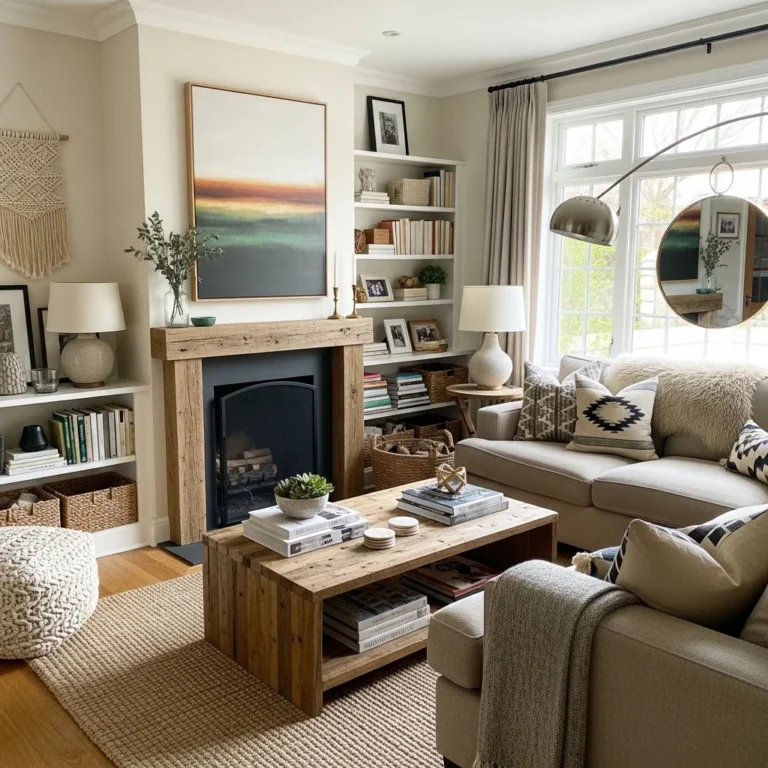
Furniture made from reclaimed wood serves multiple purposes: it’s eco-friendly, often tells a story, and brings a rustic charm to a space. Designers are crafting everything from dining tables to bed frames using salvaged timber, offering a unique character while reducing waste.
2. Bamboo Structures

Bamboo is one of the fastest-growing plants on Earth, making it an incredibly sustainable material for furniture. It’s strong, lightweight, and versatile. Designers create sleek, modern pieces that highlight the natural beauty of bamboo, ensuring your home stays stylish while being eco-conscious.
3. Organic Fabrics

Sustainable luxury extends to textiles. Furniture upholstered in organic cotton, linen, or hemp avoids harmful chemicals often found in conventional fabrics. Brands are now focusing on eco-friendly dyes and finishes that result in chic, luxurious textiles for sofas and chairs.
4. Upcycled Furniture

Upcycling transforms old or discarded furniture into something new and desirable. Designers are using innovative techniques to breathe new life into vintage pieces, ensuring that they not only remain in circulation but also reflect modern aesthetics and personalities.
5. Sustainable Sourcing

Look for brands that prioritize sustainable sourcing, ensuring that materials are ethically harvested and produced. This transparency allows consumers to understand the lifecycle of their furniture, from raw materials to finished product, fostering a deeper connection with their purchases.
6. Non-Toxic Finishes

Many eco-friendly furniture brands focus on using non-toxic, low-VOC (volatile organic compounds) finishes. These finishes contribute to better indoor air quality, making them a healthier choice for consumers and the planet alike.
7. Modular Designs

Modular furniture allows consumers to adapt their living spaces to their needs, reducing the demand for new pieces over time. By creating multifunctional and easily reconfigurable elements, these designs promote longevity and sustainability.
8. Local Craftsmanship
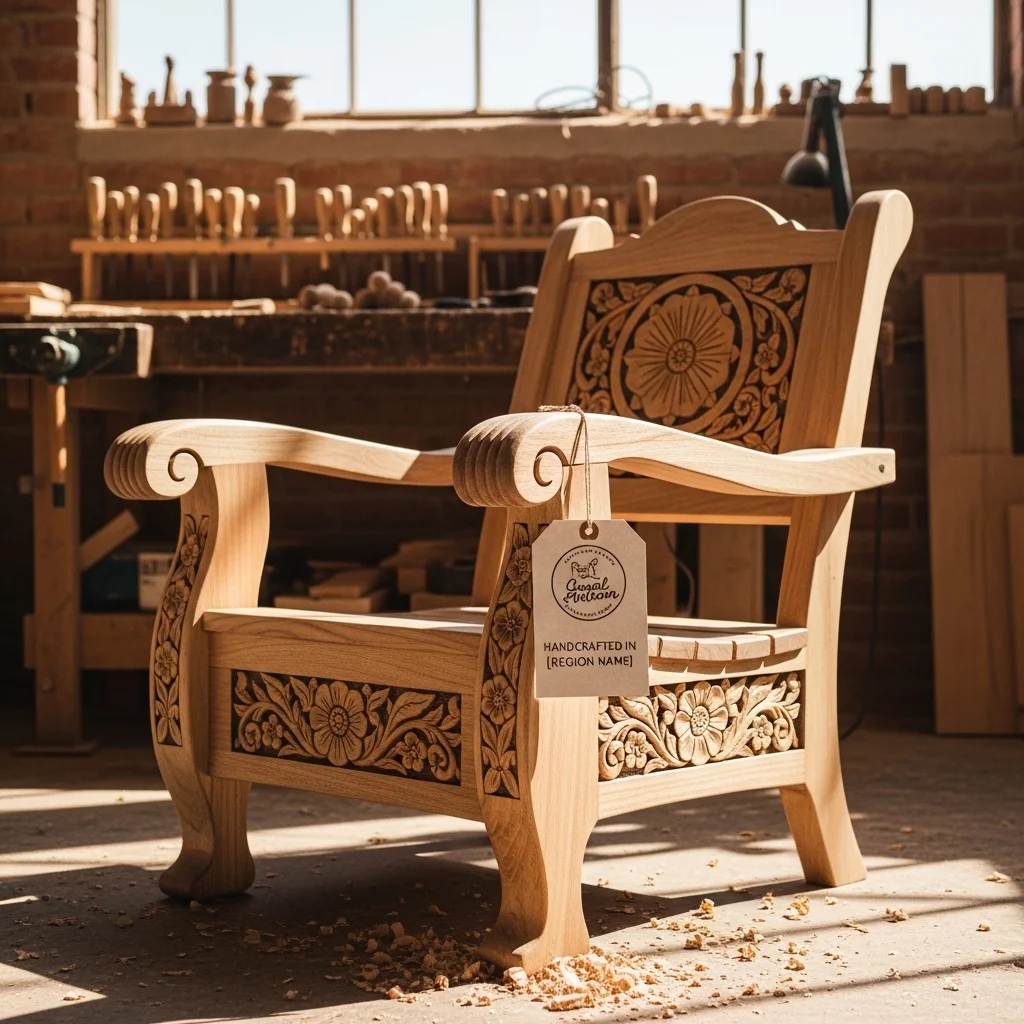
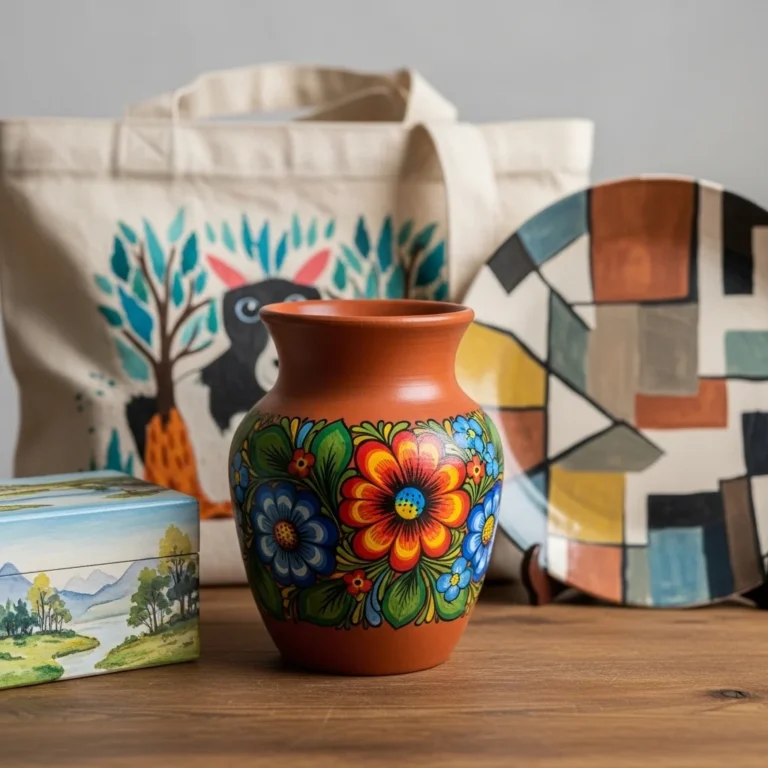
Supporting local artisans is a vital aspect of sustainable luxury. Furniture crafted locally can reduce carbon footprints associated with transportation, while also contributing to the local economy. Many brands are championing handmade, bespoke pieces that reflect the culture and artistry of their region.
9. Biodegradable and Compostable Materials

Innovations in materials science have led to the creation of biodegradable and compostable options. Designer furniture made from such materials ensures that once the product reaches the end of its life, it will not contribute to landfill waste.
10. Circular Economy Practices

The circular economy focuses on designing products that are easy to repair, refurbish, or recycle. Brands that adopt these practices are not only producing sustainable goods but also contributing to a system that minimizes waste and maximizes resources.
Conclusion
Sustainable luxury is an exciting frontier in the world of designer furniture, where style, quality, and environmental responsibility coexist. As conscious consumers increasingly seek out eco-friendly options, the market is responding with innovative designs that respect our planet while offering the elegance and sophistication we desire in our homes. By embracing these ten ideas, individuals can create stunning, sustainable living spaces that reflect their values and dedication to a cleaner, greener future. When it comes to furniture, why choose between luxury and sustainability when you can have both?