Top 10 Home Colour Idea Paint Clors
Creating an accent wall in your home can instantly elevate your space, adding depth and character. An accent wall serves as a focal point, drawing the eye and complementing your décor while allowing for playful creativity. However, selecting the perfect color can be daunting with countless shades and tones available. This article will guide you through the process, providing ten inspiring ideas to help you choose the ideal accent wall color for your living space.
Top 10 Ideas for Choosing the Perfect Accent Wall Color
1. Consider the Mood You Want to Create
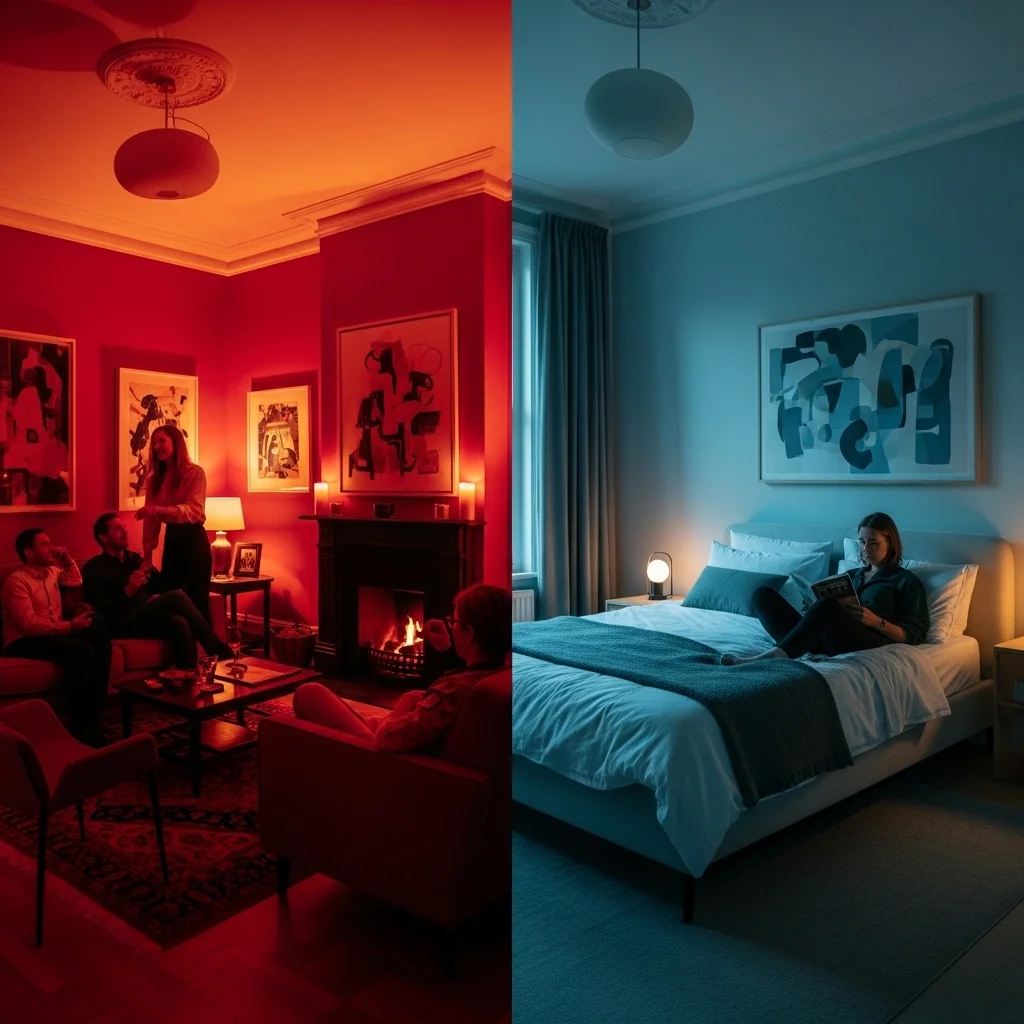
Before picking your color, think about the ambiance you want to set. Warm colors like reds and oranges offer energy and vitality, while cool tones like blues and greens can create a calming and tranquil atmosphere. Decide on the mood that best suits the room’s function
2. Look at Your Existing Furniture and Décor
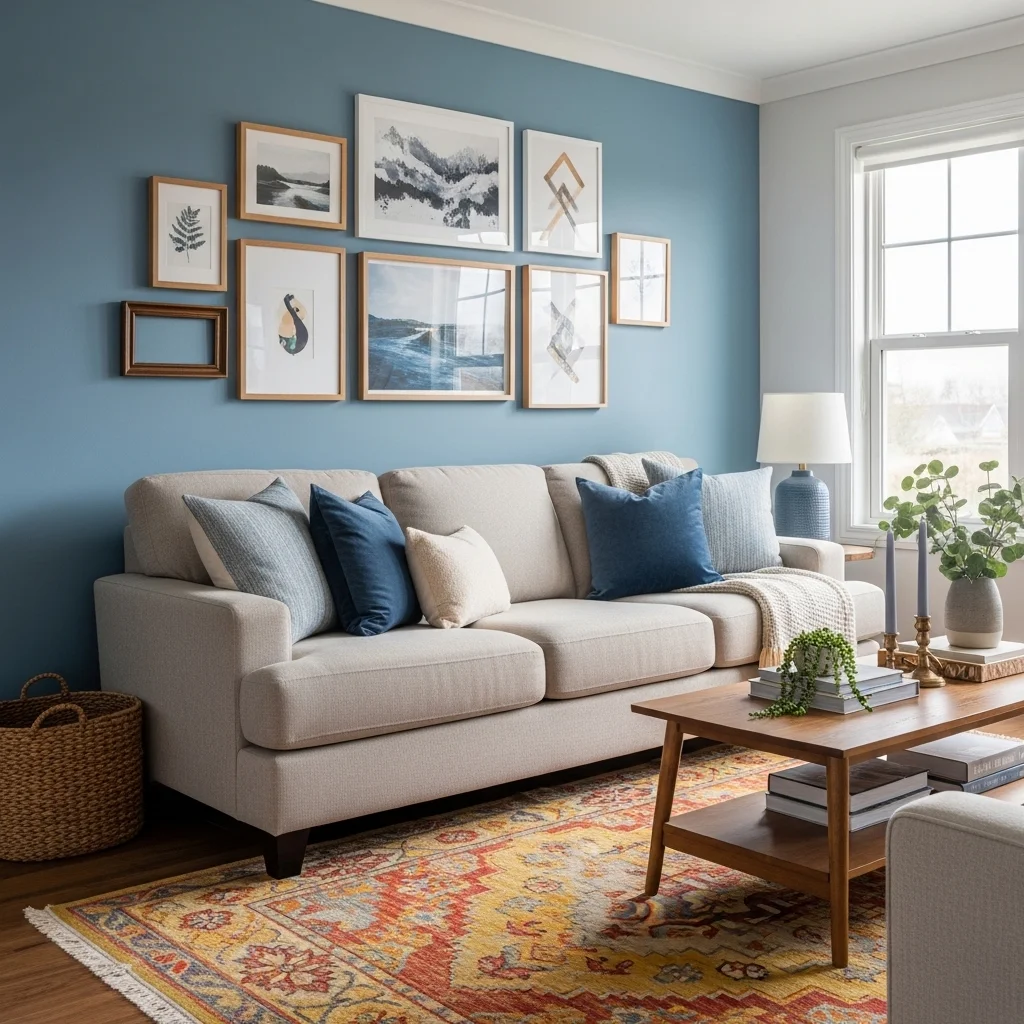
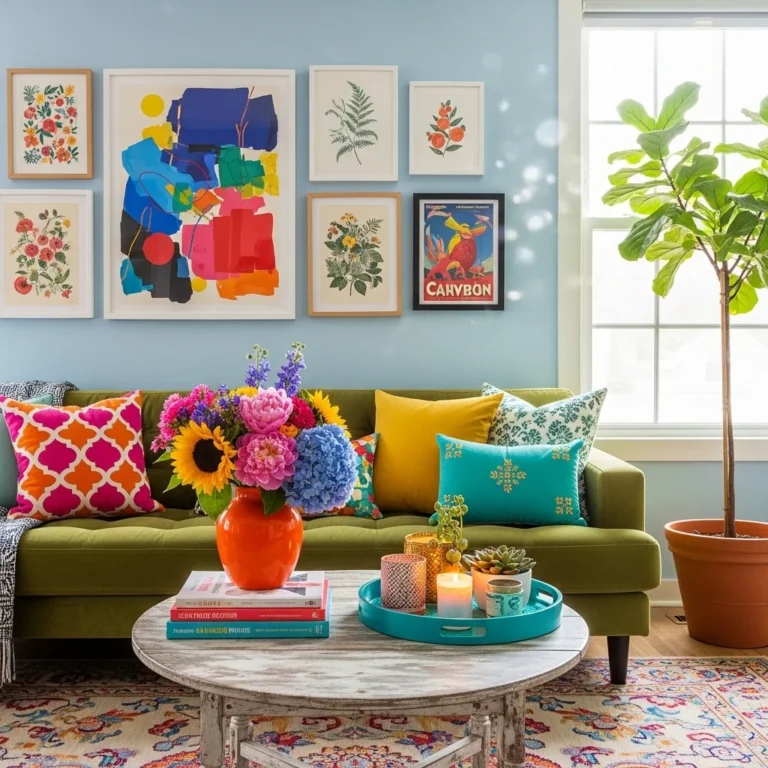
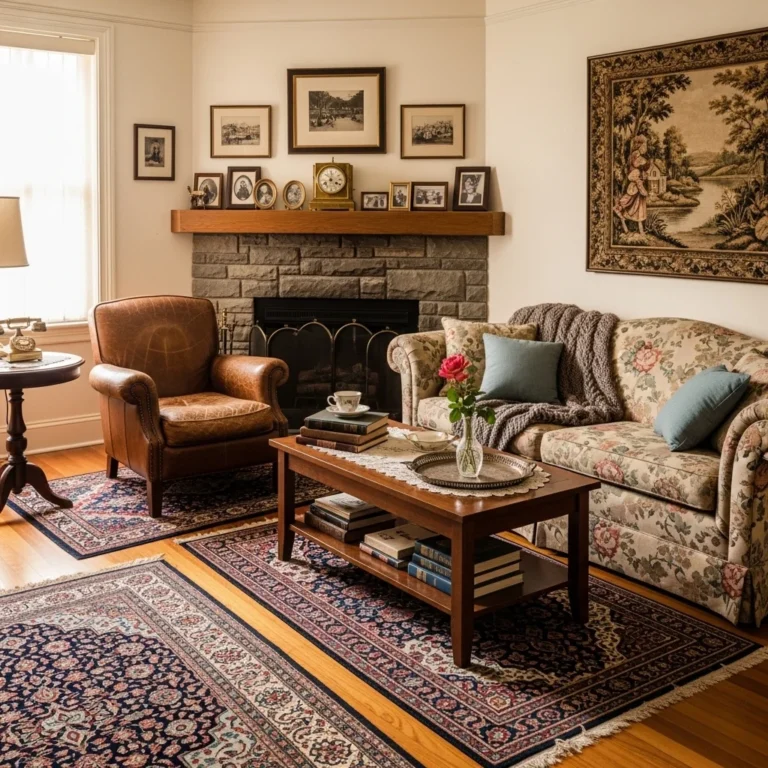
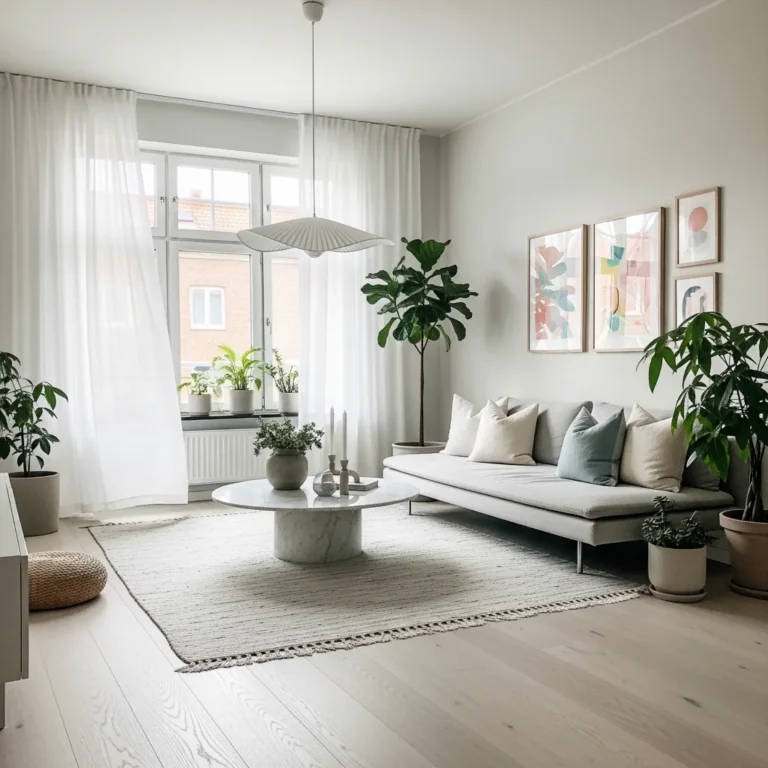
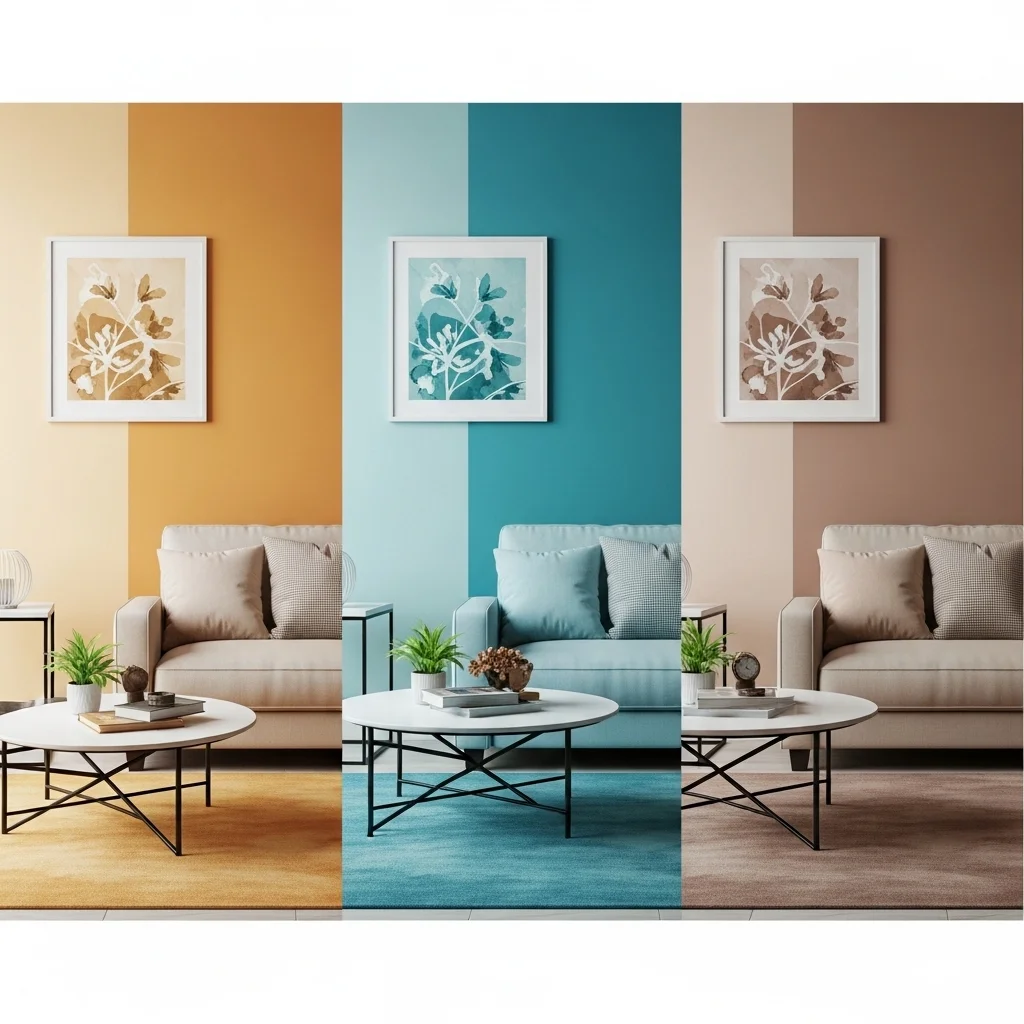
Your accent wall should harmonize with your existing color palette. Take note of major furniture pieces and decorative elements. If you have a neutral sofa, consider bolder hues for contrast. Conversely, if you have a vibrant rug, choose a softer color to let it shine.
3. Use Color Theory
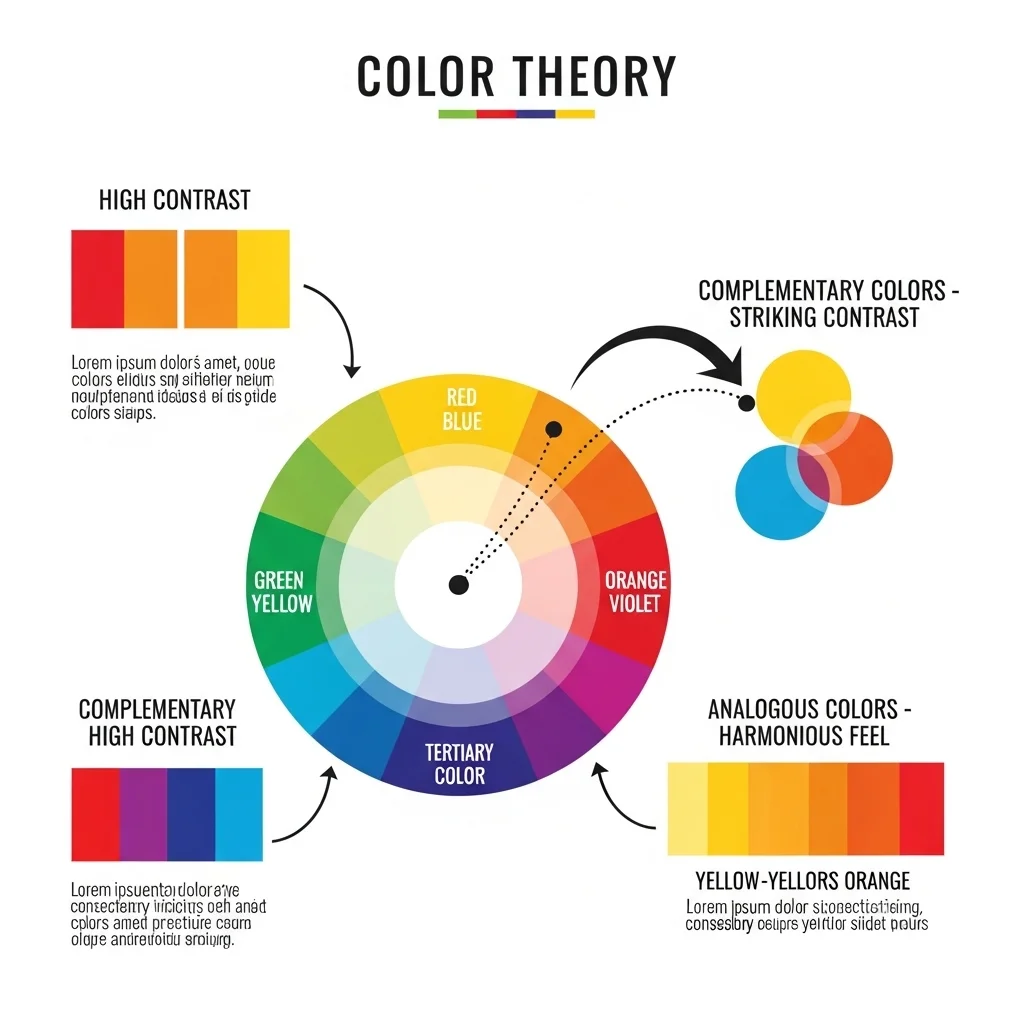
Understanding basic color theory can significantly enhance your design choices. Complementary colors (those opposite each other on the color wheel) create a striking contrast, while analogous colors (next to each other) provide a harmonious feel. Assess how colors interact to find the perfect match.
4. Incorporate Natural Light

Observe how different colors interact with natural light in your space. A vibrant hue may appear brighter in sunlight, while deeper shades can offer a cozy effect when the light dims. Test paint samples on the wall to see how they change throughout the day.
5. Experiment with Textures
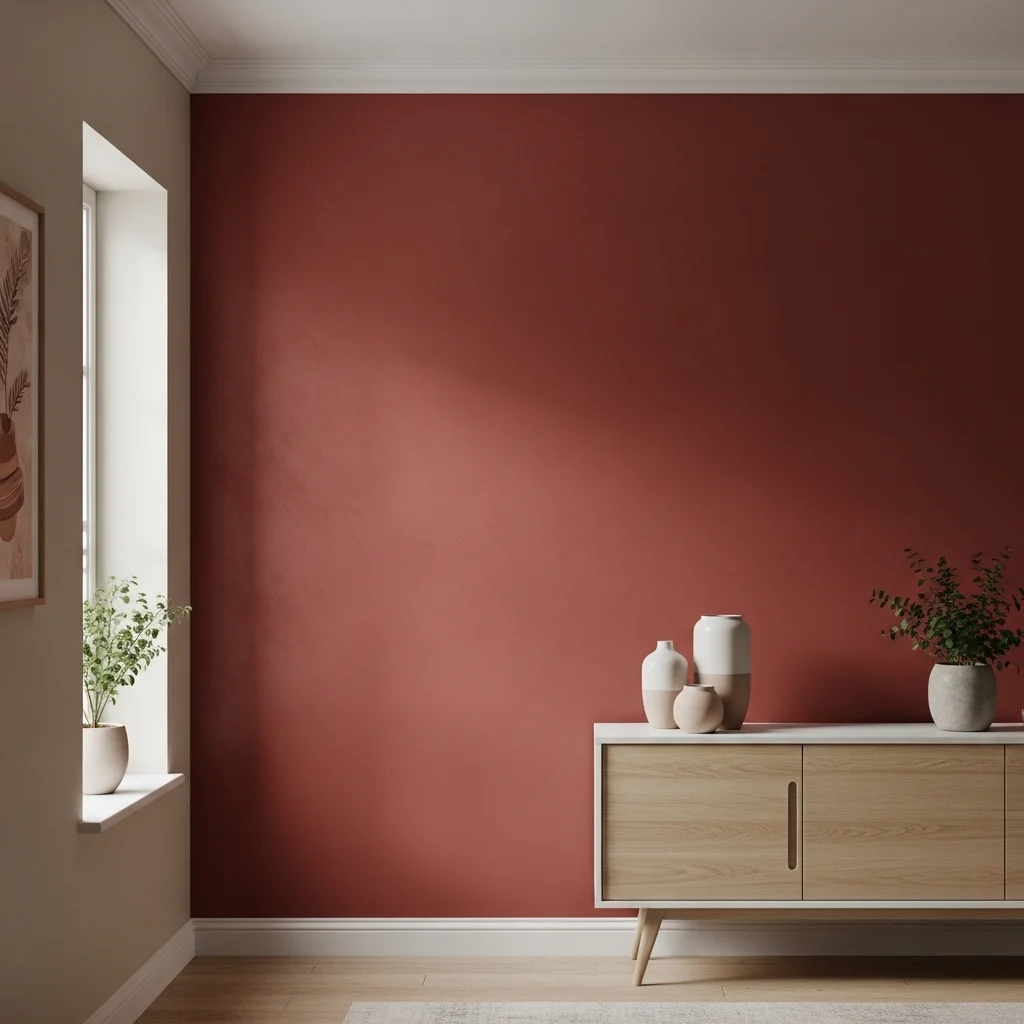
Consider painting techniques or textures that can add depth to your accent wall. A matte finish can feel softer and warmer, while a gloss can reflect light and make colors pop. Faux finishes like sponging or stenciling can also enhance the visual interest.
6. Utilize Adjustable Lighting
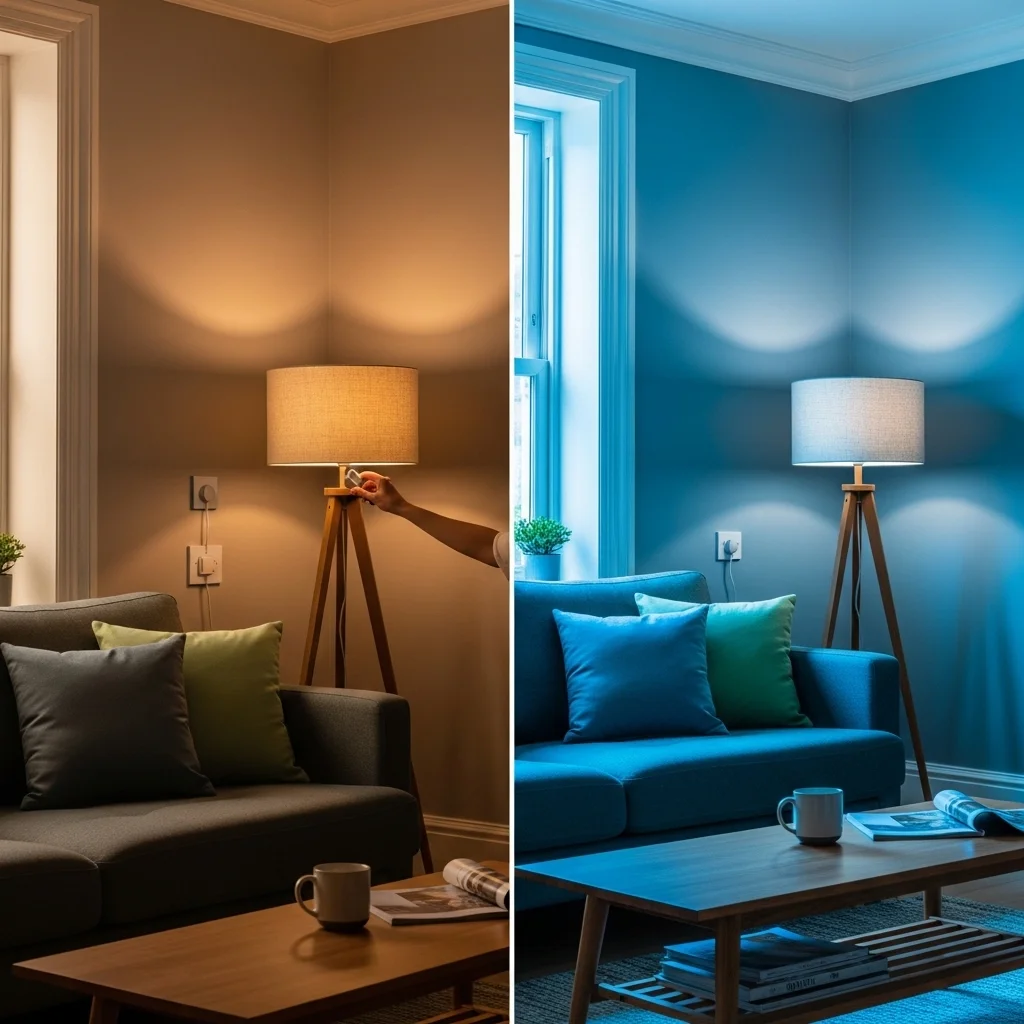
Depending on your room’s lighting, colors can shift in tone and mood. Use adjustable lighting like dimmers or varied lamp styles to see how your chosen colors look under different lighting conditions. This can help in making an informed choice.
7. Draw Inspiration from Nature
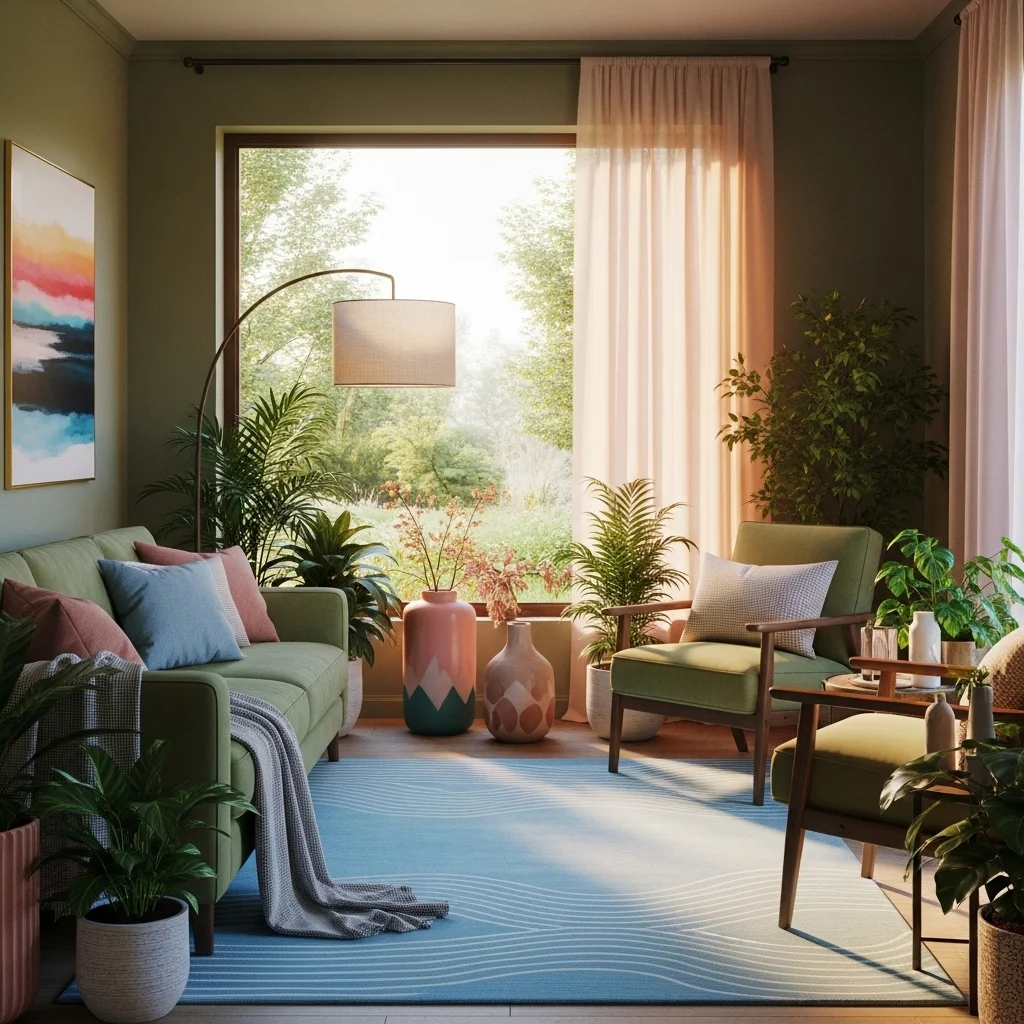
Nature is full of stunning color palettes. Consider hues found in landscapes or gardens – earthy greens, sky blues, or warm sunset-inspired shades. Bringing these colors indoors can create a serene and inviting space. For a natural, farmhouse feel, see our rustic home decor ideas.
8. Incorporate Personal Preference
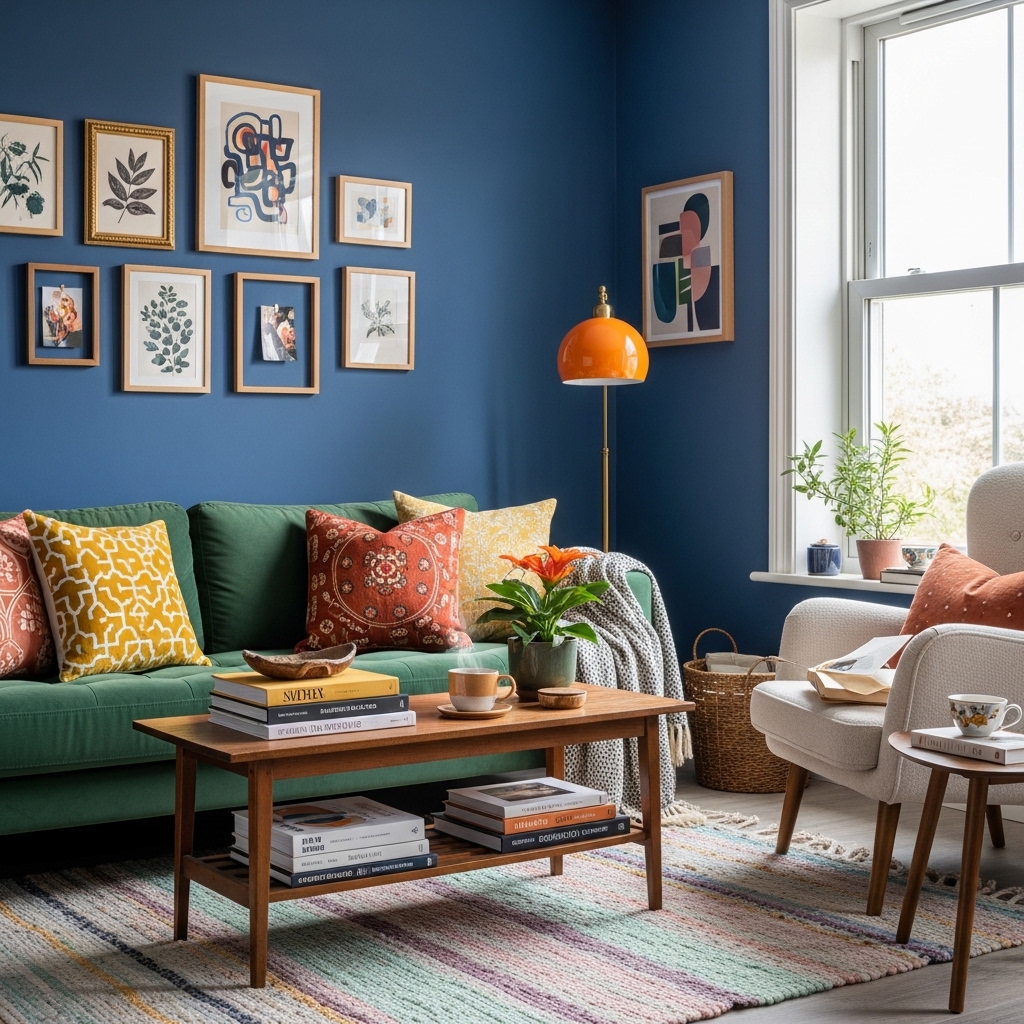
Your home should reflect your unique style. Choose colors that resonate with you personally. Whether you’re a fan of bold and vibrant tones or prefer subtle pastels, selecting shades that make you feel comfortable is essential for a harmonious living space.
9. Try the 60-30-10 Rule
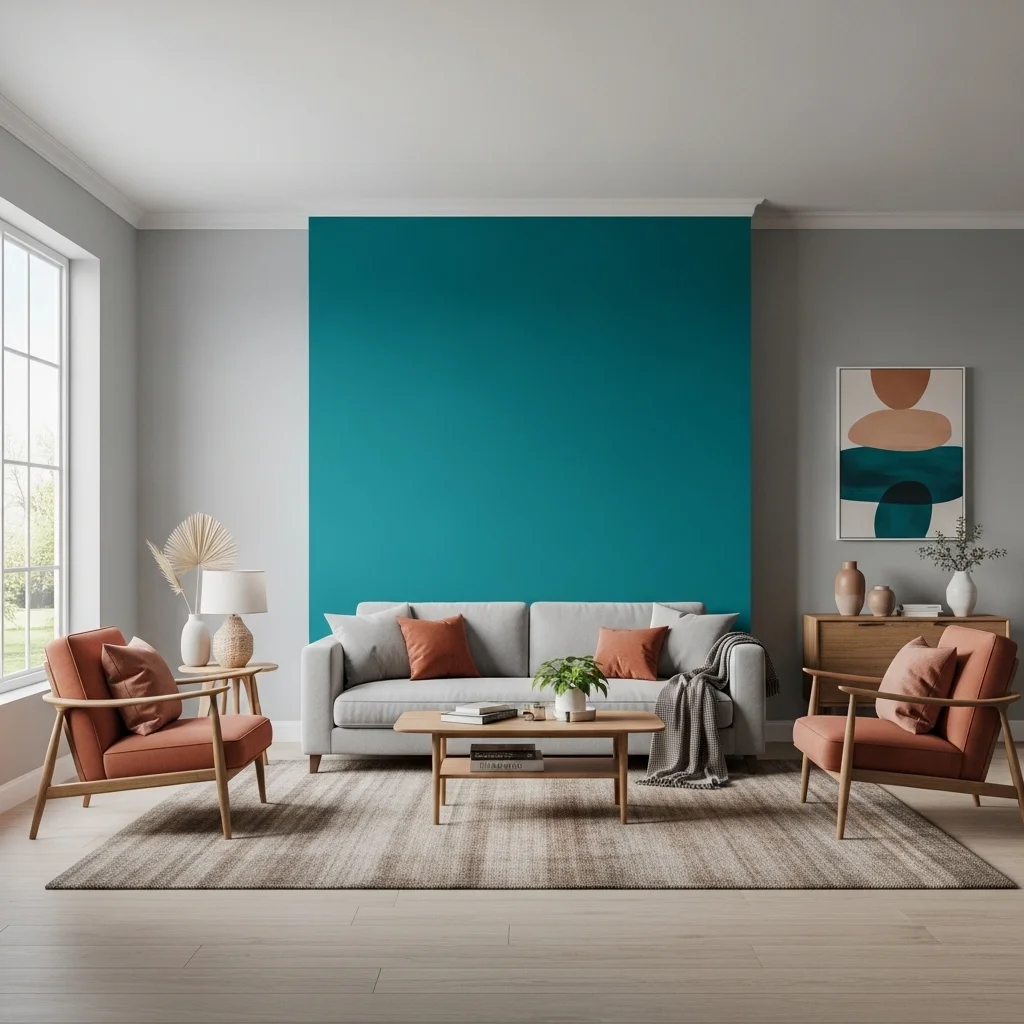
This design principle suggests that 60% of the room should be a dominant color, 30% a secondary color, and 10% an accent color. Use your accent wall as part of this rule to ensure balance and unity, making the accent stand out without overwhelming the space.
10. Use Samples Before Committing

Finally, always test paint samples on your wall before making a final decision. Look at the colors at different times of the day to gauge how they feel in various lighting conditions. Live with the samples for a few days to see which one resonates with you.
Conclusion
Choosing the perfect accent wall color is an exciting opportunity to express your style and transform your space. By considering mood, existing décor, and personal preferences, you can create a stunning focal point that enhances your home’s aesthetic. Whether you opt for bold, vibrant shades or serene, muted tones, an accent wall is your canvas for creativity, adding beauty and personality to your living environment. Happy decorating! For a calm bedroom palette, see our Scandinavian bedroom decor ideas.