
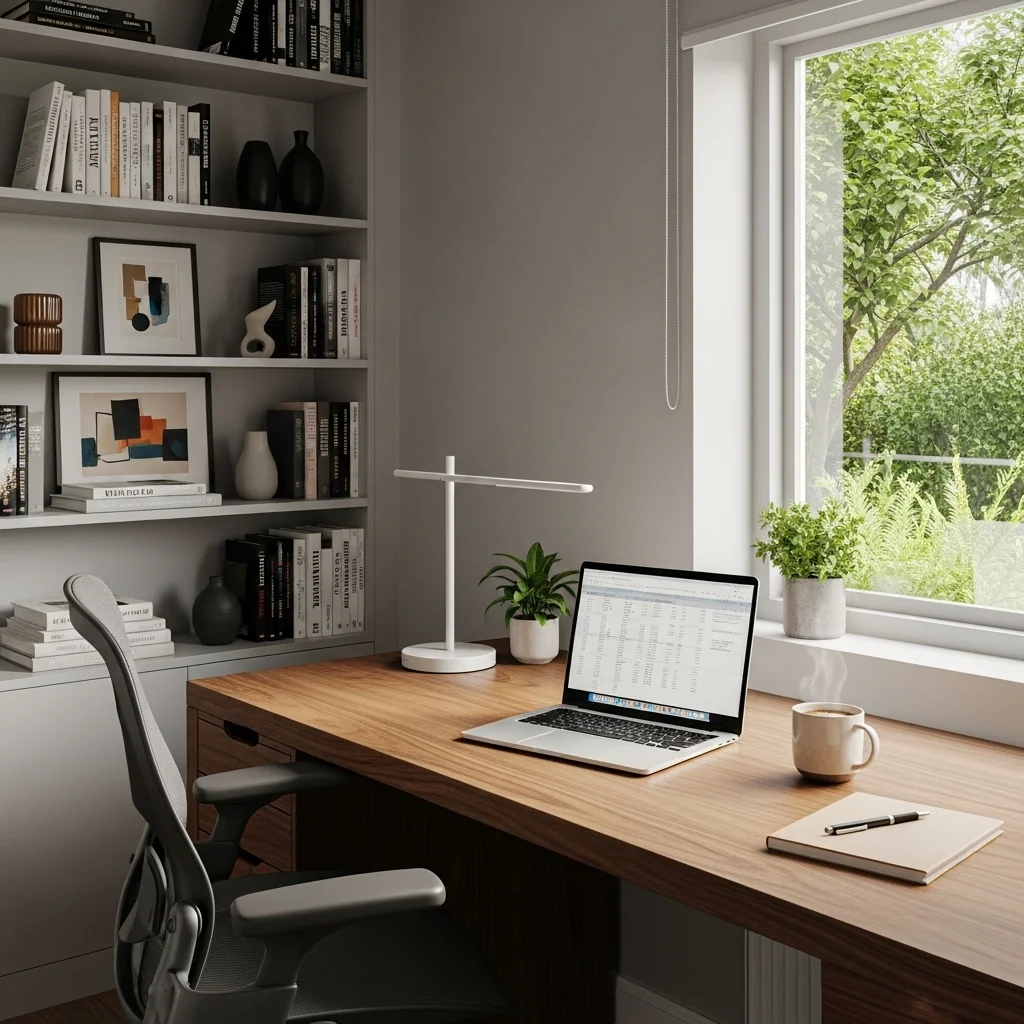
Home Office Decor Ideas: A Complete Guide to a Beautiful, Comfortable and Productive Workspace
Your home office should help you do good work and feel good while you do it. It should be comfortable enough for a long day, calm enough for deep focus, and personal enough to feel like yours. That sounds like a lot to ask from one room, a corner, or even a desk in a bedroom, but it is possible with a clear plan and a few thoughtful choices. This guide brings together the best ideas from our earlier home office posts, removes the repeats, and turns them into one practical plan you can follow step by step.
Whether you work from home every day, study in the evenings, or run a small business from a spare room, the same basics matter. You need a good chair, light you can trust, storage that keeps clutter out of sight, and a layout that fits the way you actually work. You also need warmth, color, plants, and personal touches, because a room that feels cold and bare is hard to sit in for eight hours. Below, you will find ideas for small spaces, cozy corners, bedroom offices, ergonomic setups, and planned layouts, all in one place.
Start With a Dedicated Work Zone
The single most useful step is to give work a clear home. Choose one spot and use it for work only, even if it is just one end of a table or a desk facing a wall. A dedicated zone tells your brain that it is time to focus when you sit down, and it tells the rest of the household that you are working. It also makes it easier to leave work behind at the end of the day, because you can step away from that zone and close the laptop.
Pick the quietest corner you can, close to natural light if possible, and away from the busiest path through the house. A desk near a window gives you daylight and a view, which helps your mood and your eyes. If you share a bedroom, place the desk so your back is not to the bed, and use a rug, a bookshelf, or a curtain to mark the boundary between sleep and work. In a living room, a slim desk against a wall or a foldaway desk can create a work zone without taking over the room. Tell the people you live with when you are working, and agree on simple signals, such as headphones on or a closed door, so interruptions stay low.
Get Ergonomics Right Before You Decorate
Beautiful decor will not help if your body hurts by lunchtime. Start with the chair. Choose an ergonomic chair that supports your lower back, lets your feet rest flat on the floor, and keeps your knees at about a right angle. If your feet do not reach the floor, add a footrest. Your desk should let your elbows rest at about a right angle too, with your shoulders relaxed and your wrists straight while you type.
Place your monitor at or just below eye level, about an arm’s length away. A laptop stand and an external keyboard and mouse can make a big difference here, because they let you raise the screen without raising your hands. Choose a keyboard and mouse that keep your wrists in a natural, neutral position, and keep the items you use most within easy reach so you are not stretching or twisting all day. If you use a standing desk, switch between sitting and standing through the day, and use an anti-fatigue mat when you stand. Small movement breaks matter as well. Stand up, stretch, walk to get water, and look away from the screen for a few minutes every hour. Your back, neck, and eyes will thank you.

Make a Small Home Office Work Hard
Small spaces reward smart choices. Look up first. Wall shelves, a pegboard, and wall mounted cabinets store books, supplies, and plants without using floor space, and they double as decor when you arrange them neatly. Choose furniture that does more than one job, such as a desk with built in shelves, a foldable table that tucks away, a chair that can serve as a guest seat, or a storage ottoman that holds cables and notebooks.
Keep the palette light and the layout simple. A pale wall, a light wood desk, and a mirror or a bright picture can make a tight corner feel larger. Avoid filling every surface. Leave some empty desk space for the work you are doing right now, and store the rest. A small office can still feel generous when everything has a place and nothing blocks the light. If you need more ideas for tight rooms, see our space saving home decor ideas, which use the same thinking in other parts of the house.
Plan the Layout Like a Professional
A planned home office, the kind often called a home office planejado, is simply one where every piece has a reason to be there. Measure your space before you buy anything, and sketch the layout on paper. Mark the desk, the chair, the storage, the power points, and the path you walk through the room. Leave enough room to push the chair back and to open drawers fully. That one check prevents most layout mistakes.
Build in flexibility. A layout that works for focused computer work may not work for reading, calls, or craft projects. A desk on casters, a movable side table, or a fold down shelf lets you change the room for the task at hand. Keep cables, chargers, and power strips planned too, with a tray or clips under the desk, so you are not fighting a tangle every morning. Finally, plan for change. Your work may grow, your equipment may change, and your routine will shift with the seasons. Choose storage and furniture you can rearrange, rather than a fixed setup that only fits today.
Use Light to Lift Your Mood and Your Focus
Light changes everything in a home office. Natural light is best, so place your desk near a window when you can, and keep the window clear of tall storage. Sit beside the window rather than directly in front of it if glare hits your screen, and use sheer curtains to soften strong sun. Good daylight helps you stay alert, and it makes colors, plants, and wood look their best.
Add layers for the rest of the day. A desk lamp gives you focused task light for reading and writing, a floor lamp or wall light adds soft background light, and warm toned bulbs keep the room feeling calm in the evening. Avoid a single harsh ceiling light, and avoid bright fluorescent light that makes the room feel like a waiting room. In a cozy office, string lights, a candle style lamp, or a small lamp with a fabric shade can add warmth, as long as they do not distract you. Test your lighting at the times you actually work, not just at midday, and adjust the lamp height and angle until your screen is clear and your desk is evenly lit.

Choose Color, Texture, and Warmth With Care
Color sets the mood before you sit down. Soft pastels, warm whites, pale sage, and light blue create a calm base that helps you focus. Warm earthy tones, such as terracotta, warm beige, and soft mustard, make a room feel cozy and welcoming. A brighter accent, such as a yellow cushion, an orange notebook, or a deep green plant pot, can add energy without overwhelming the room. Try one accent wall, or use color in accessories you can change, rather than painting everything at once.
Texture does as much work as color. A soft throw over your chair, a thick rug under your feet, a knitted cushion, and curtains that soften the window all make a hard working room feel comfortable. These are the details that turn a desk in a corner into a place you want to return to. For a calm, light filled bedroom office, borrow ideas from our Scandinavian bedroom decor ideas, which use pale wood, white layers, and simple textiles to create a peaceful base you can work in.
Declutter, Organize, and Keep It That Way
Clutter is not just untidy, it is distracting. Start with a proper clear out. Go through papers, cables, old chargers, pens that no longer work, and furniture you do not use, and remove what you do not need. Keep only what helps you work, and give everything else a home elsewhere. Then add storage that fits your habits: shelf units, labeled boxes, a filing cabinet, drawer organizers, and a tray for the papers you are using this week.
Use the one in, one out rule to stop clutter from creeping back. When a new notebook, plant, or gadget arrives, let an old one go. Organize your digital workspace too, because a messy desktop and a full inbox are just as tiring as a messy desk. Clear your files into named folders, close tabs you do not need, and use a planner, a calendar, or a simple to do list to keep track of the day. Set aside a short time each week to tidy the desk, file papers, and check cables. A ten minute reset on Friday saves an hour of searching on Monday.
Add Plants, Personal Touches, and a Little Scent
Plants bring life to a home office, clean the air, and give your eyes a soft green break from the screen. Choose low maintenance plants if you are busy, such as snake plants, pothos, or succulents, and place them where they get the light they need. A small plant on the desk, a trailing plant on a shelf, and a larger plant in a corner are usually enough. If you want more plant ideas, our indoor plant decor ideas show how to style plants in different rooms without making the space feel crowded.
Personal touches make the room yours. A gallery wall with framed art, photos, and a favorite quote can inspire you, and it is easy to change as your taste changes. Display travel souvenirs, books you love, or a handmade object, but keep the desk itself clear enough to work. Add scent with care, using a diffuser, a scented candle, or fresh lavender, because a pleasant scent can lift your mood and help you settle into work. Keep it gentle, especially if you share the room, and choose scents that help you relax without making you sleepy.

Use Technology Wisely and Tame the Cables
Technology should support your work, not create new clutter. Start with a reliable internet connection, a good monitor, and a webcam and microphone that make video calls clear. Noise canceling headphones help in a busy house, and a smart speaker or a simple timer can help you keep track of focused work sessions. Choose gadgets that earn their place on the desk, and store the rest.
Cables deserve a plan of their own. Use a cable tray under the desk, clips along the desk edge, and short cables where you can, so wires do not hang, tangle, or pull. Label chargers if several people share the space, and keep a small box for spare cables rather than letting them pile up in a drawer. A tidy cable setup looks better, it is safer, and it makes cleaning much easier.
Working From a Bedroom: The Home Office Quarto Approach
Many people work from a bedroom, and that brings its own challenges. The bed is close, the room has two jobs, and it is easy for work and rest to blur together. The answer is a clear boundary, even in a small room. Put the desk in a corner by the window if you can, use a room divider, a bookshelf, or a curtain to separate the work zone, and keep work items on the desk side of that line. Avoid working from the bed, because it hurts your posture and it makes it harder to sleep at night.
Choose calm colors and soft lighting for a bedroom office, and keep the desk tidy at the end of the day so the room can return to being a place to rest. A small desk, a comfortable chair, and a shelf above the desk are often enough. If the room is shared, agree on work hours and quiet times, and use headphones for calls. The goal is a bedroom that still feels restful, with a work corner that still feels serious.
Set Boundaries, Take Breaks, and Keep a Comfortable Climate
A home office works best when the rest of your life has room too. Set clear working hours and share them with family or housemates. When the workday ends, close the laptop, tidy the desk, and step away. That simple routine protects your evenings and helps you start fresh the next morning. Reduce distractions during work hours by keeping your phone in another spot for focused tasks, closing extra browser tabs, and using a door sign or headphones to signal that you should not be interrupted for small things.
Build breaks into the day, not just around it. A short walk, a stretch, a cup of tea in a different chair, or a few minutes in a reading nook can reset your focus far better than scrolling at your desk. Create a small breakout corner if you have space, with a comfortable chair, a book, and a plant, so a break feels like a real change of scene. Keep the room comfortable as well. Fresh air, a steady temperature, and a small fan or heater for the season make a bigger difference than most decor, because you cannot focus when you are too hot, too cold, or breathing stale air.
A Simple Weekend Plan to Build Your Home Office
You do not need to do everything at once. Start on a Saturday morning with a clear out, and remove everything you do not need from the desk and the room. On Saturday afternoon, set up the chair, desk, and monitor at the right heights, and test the lighting at the time you normally work. On Sunday, add storage, sort cables, and hang one piece of art or a small gallery wall. Then add plants, textiles, and personal touches over the following week, one change at a time, so you can see what actually helps.
Live with the setup for two weeks before you buy more. Notice where you reach, where clutter gathers, and where you feel uncomfortable. Those notes will tell you what to fix next, whether it is a footrest, a better lamp, a shelf, or a different chair cushion. A good home office grows with you, and the best version is the one that fits your work, your room, and your daily routine.
Conclusion
A great home office is not about buying the most furniture or copying a photo exactly. It is about a dedicated zone, a chair and desk that fit your body, light that helps you see, storage that keeps clutter away, and decor that makes the room feel warm and personal. Small spaces can work beautifully with vertical storage and furniture that does more than one job. Cozy touches, plants, color, and scent make long days easier. Clear boundaries and regular breaks protect your time and your energy. Start with the basics, add one idea at a time, and keep what works for you.
If you enjoyed this guide, keep exploring GlobWriters for ideas that pair well with a home office. Try our Scandinavian bedroom decor ideas for a calm bedroom office, our space saving home decor ideas for small rooms, and our indoor plant decor ideas for greenery that suits a desk, a shelf, or a sunny corner.